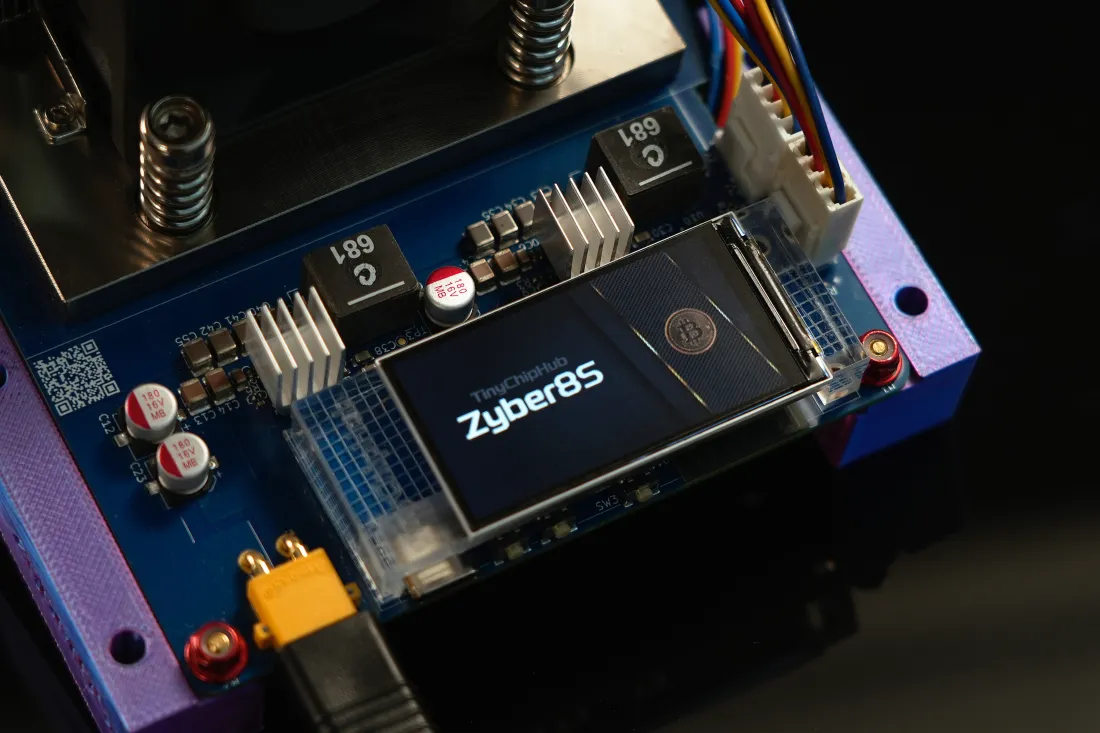
Hey, I'm Winston from TinyChipHub. Today, I'm going to make a short review on our latest creation — the Zyber Blanc OC, and talk about the BM1373 chip that powers it.
We tore down two Antminer S23 Units: one early, one brand new. The difference tells you something about what's happening in the market right now. In this article, we walk through the design process behind the Zyber Blanc OC, discuss the recent chip debates, and share what we learned from those teardowns. Let's get into it.
Zyber Blanc BM1373 Miner ,delivering up to 3.5 TH/s, with efficiency of 9–11 J/TH, sized just 135×90×86 mm.
Zyber Blanc Setup Guide — Unboxing, network configuration, and Zyber OS walkthrough.
1、Decisions Behind Zyber Blanc
1.1 First Bold Decision: No Screen
We've designed original models. But with Zyber Blanc, we made two bold decisions. First bold decision: no screen.
A lot of you now own more than just one Solo Miner. And every single one has its own tiny screen you have to walk over and check, which is a little bit annoying.
So with Zyber Blanc, we tried removing the screen entirely. Instead, we use a Breathing Light Strip to show running status( Red => Yellow => Purple ). Clean, Simple, Glanceable from across the room.
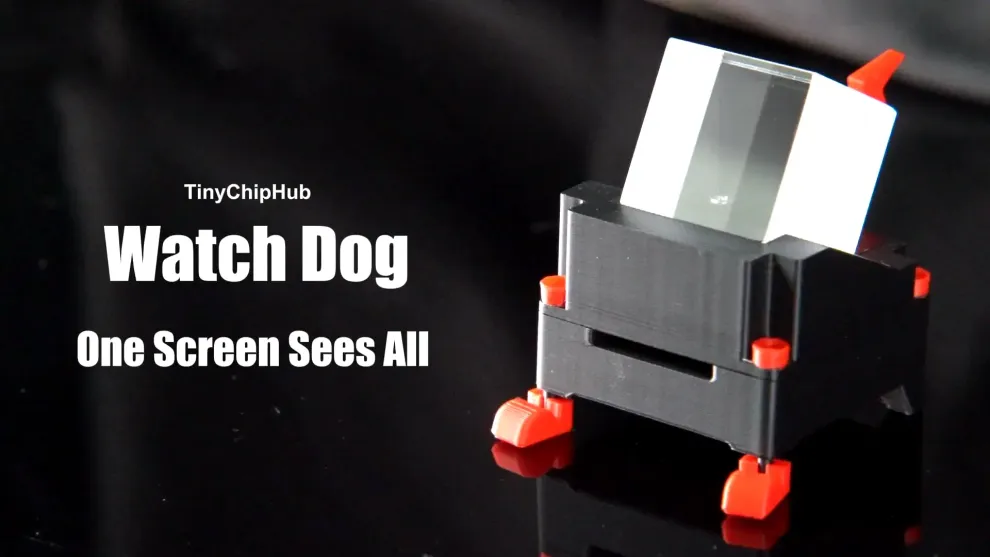
But then how do you set it up and manage it?
That's where WatchDog comes in. It's our multi-miner management platform.
One Screen Sees All — it scans your network, supports all the mainstream miners in the market, and lets you manage everything in batch. Of course, it's not required — just a fun desktop hardware we built for this. Detailed setup is on our website: TinyChipHub.com
1.2 Second Bold Decision: The Design
With Zyber Blanc, we explored Two Paths:
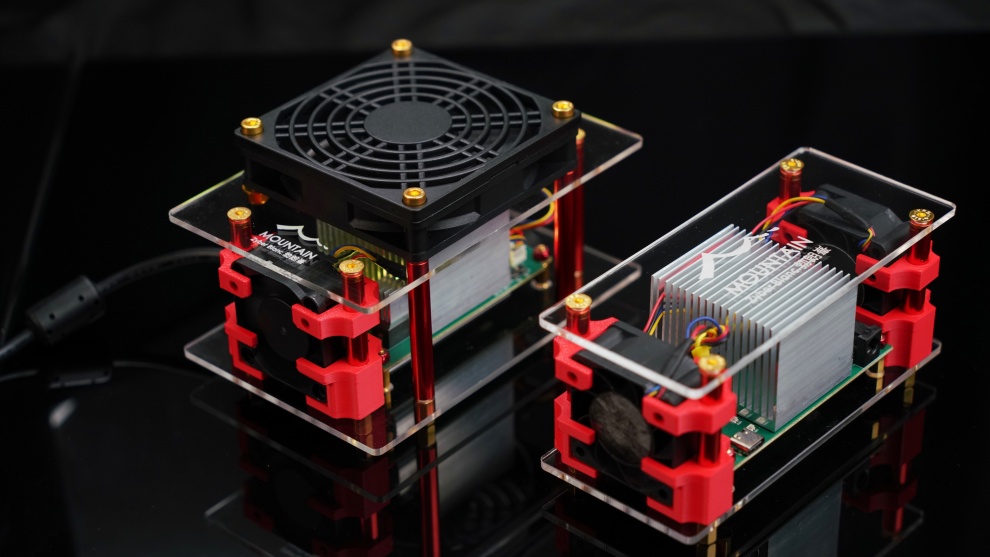
One is the Classic Open-frame Design (Zyber Blanc Lite / OC). You get maximum DIY freedom — add CAIZHU-FANs, stack accessories, optimize however you like.
The other path (Zyber Blanc Standard) is a completely different route: a Fully Enclosed Frame Shaped like a mountain peak. We wanted to make something rational like mining a bit more artistic. So we didn't give it a cold model number — we named it Blanc, after Mont Blanc, one of the most famous mountains in Europe.
If you didn't know, you'd never guess this is a ASIC Miner. It looks like a desk ornament. A desk ornament that might just win you the lottery.
2、Teardown Findings & New Model Teaser
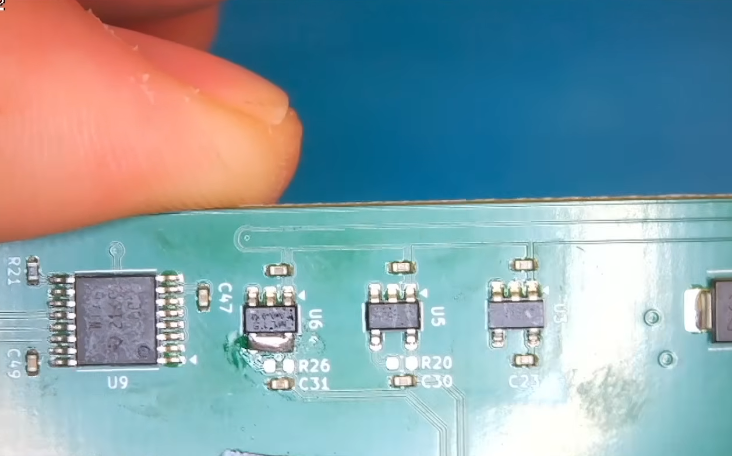
I've seen some teardown videos of Zyber Blanc online. Someone pointed out two resistors on the bottom that we apparently deliberately removed and jumped.
Yes, that's true. You have been warned. Last time we put them together, we opened a warp portal and Tzeentch himself showed up and started rewriting our firmware. Do you really want to explain to the Inquisition why your miner is running on chaos code?
Just kidding. Actually, those spots are reserved for future compatibility with different chips. We're a team of engineers who design our own miners from the ground up. We know every circuit, every component, and why it's there. That's right — we're already working on new models. Higher hashrate. A taller mountain. How does 'Zyber Everest' sound?

3、Early Issues & Free Upgrades
Anyway, I want to thank you for supporting us as we explore new directions, and for your patience with new products.
For some of the issues that came up with the early units — we listened. We acted, and we fixed them. TinyChipHub also provided free upgrades to our early customers.
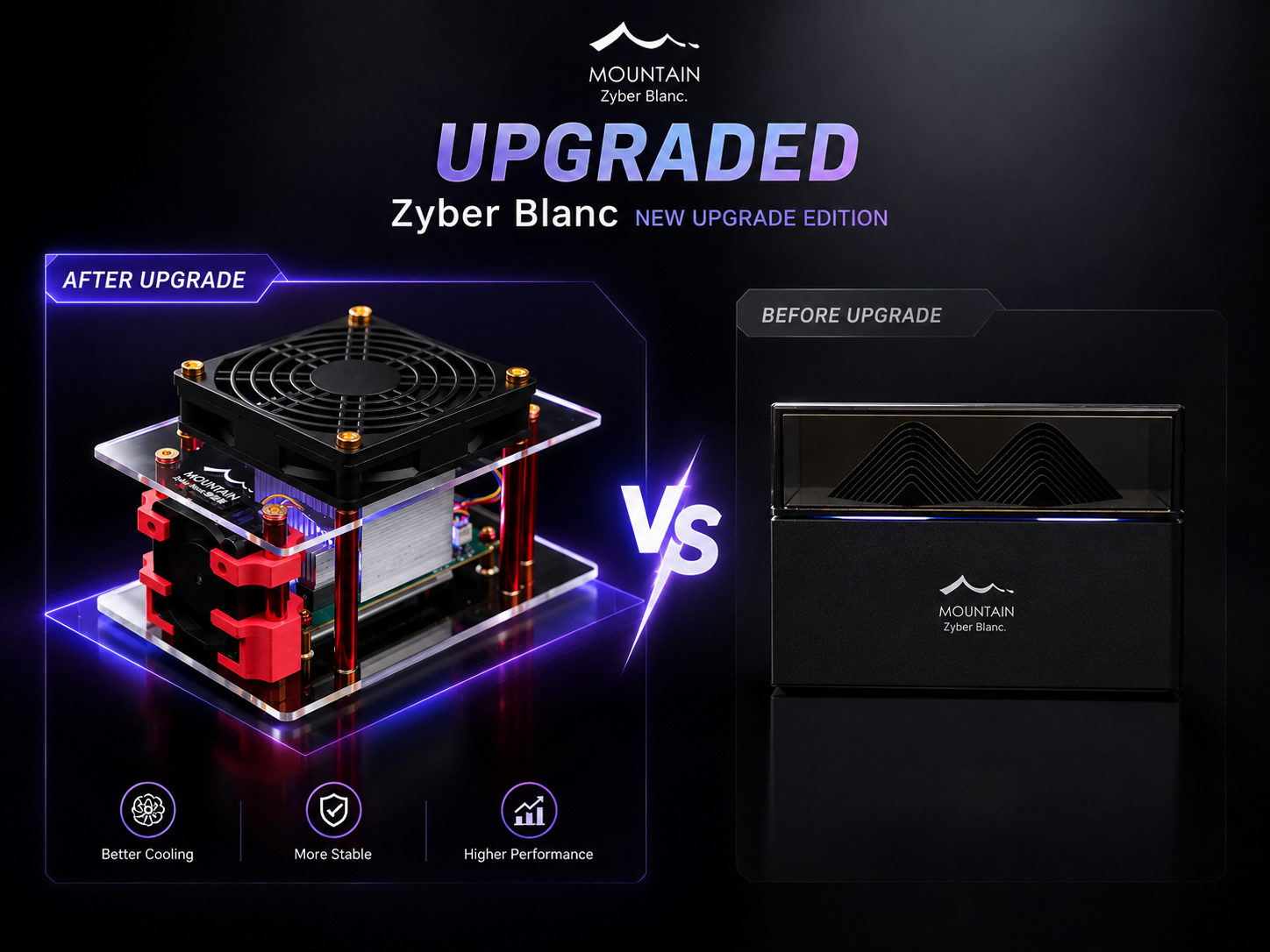
Your suggestions don't go into a black hole — we hear them, and they shape what we build next.
That's what TinyChipHub's engineering culture is about. We don't just sell boxes — we care about how they work for you.
4、BM1373 Chip & Overclocking Reality Check
Let's talk about the heart of this miner: BM1373 Chip.
This is exactly the same chip used in Bitmain's Antminer S23 Series. We were among the very first to build a single-chip BM1373 miner. When we first got our hands on an early S23, we tore it down, counted the chips, and divided the total hashrate by that number. The result ? About 2.1 terahash per chip.
So when we designed the Zyber Blanc, we treated 2.1T as the honest number. Around 3T, in our view, is a reasonable and stable overclock. We released an OC version of Blanc for exactly that. We run our miner at a level that balances performance and lifespan. Because we believe a miner should last years, not weeks.
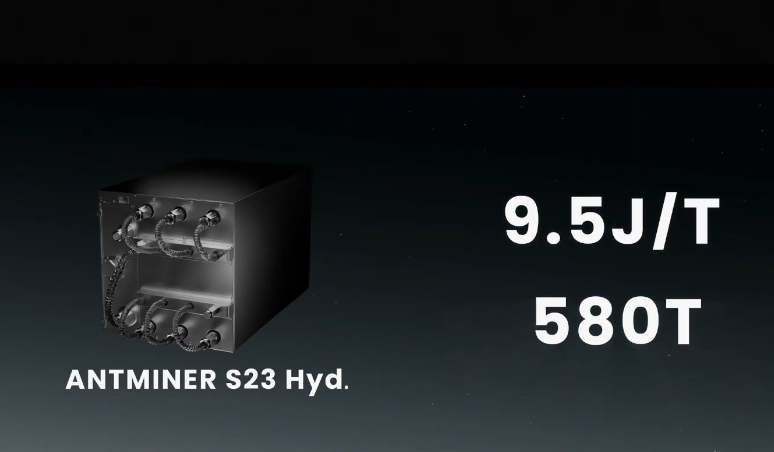
Now, fast forward to today. We just tore down a brand-new S23. And guess what?
Bitmain has revised the design. They improved the cooling, and now each chip is pushing around 3.8 terahash.
Why the jump? I think it's connected to the AI boom. Chip production capacity is being swallowed by AI demand. Even a giant like Bitmain probably has to reduce the number of chips and overclock the remaining ones to hit their targets.
But here's the thing: Bitmain's Antminer units are massive, water-cooled industrial machines. A small desktop home miner doesn't have that kind of cooling. Desktop miners are limited by size, heat, power consumption and noise. Trying to chase industrial hashrate curves on your desktop? That's Really, Really Hard.
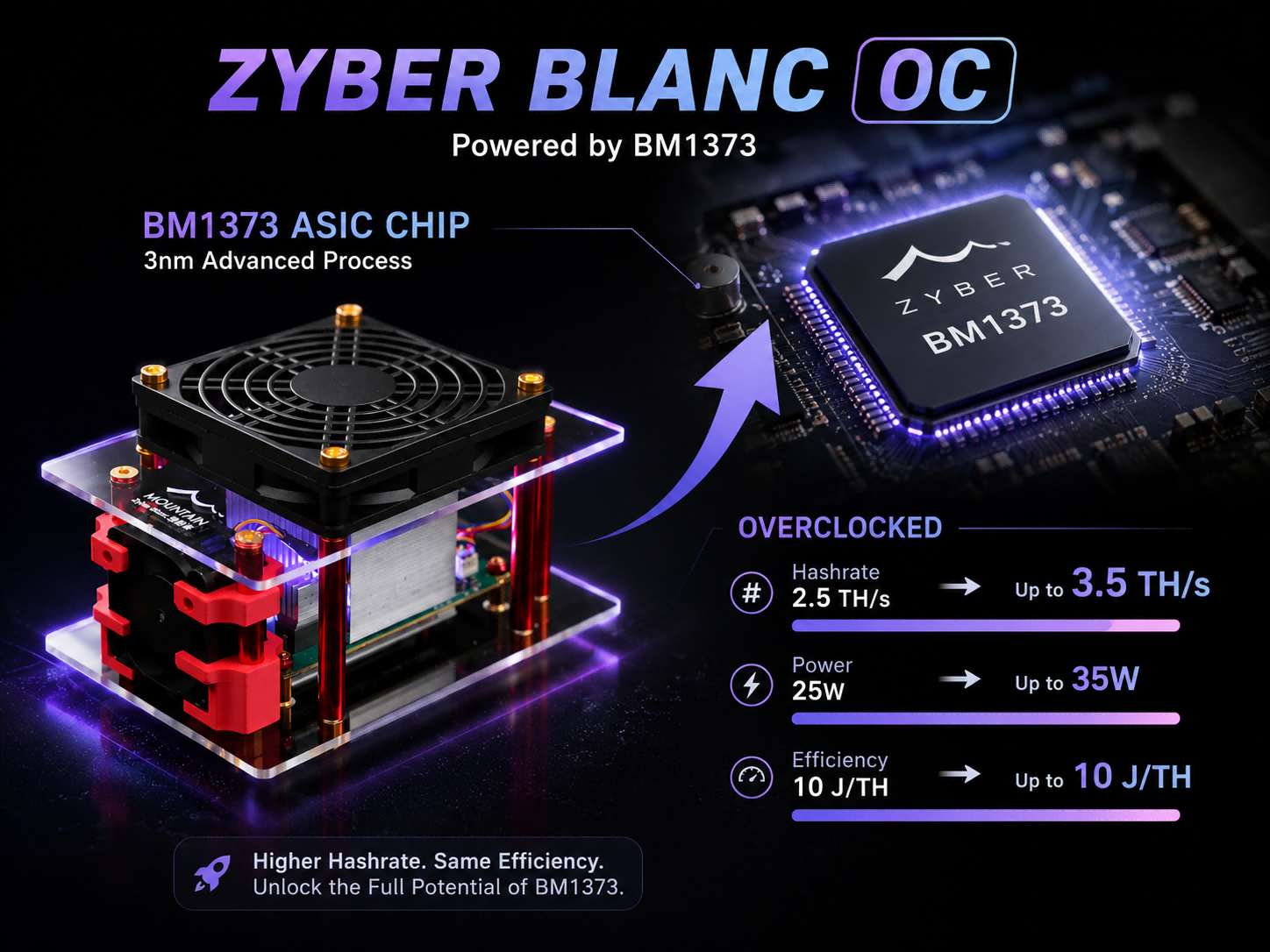
And then there are some models pushing their chip to 5T or even 10T per chip. It grabs attention, sure. But what they don't tell you is the risk that comes with it. And remember — even at 3.8T, this chip is already in overclocked territory. We learned exactly where these chips come from — Bitmain's Antminer.
A smart miner should understand balance. Without extensive validation, staying conservative is always the right call. Why? Because we're responsible for the miner in your hands. We're not the kind of company that sells you a box and disappears. We stand behind our products.
By the way — TinyChipHub only uses brand-new miners and brand-new chips. We never use second-hand extracted chips. That's a principle we'll never compromise on.
Back to the latest teardown — Bitmain has shown that with proper cooling, overclocking to 3.8T is viable long-term. So for our next project — the Zyber Everest — we'll follow the official design guidance and tune it accordingly. No wild claims. No lab-only numbers. Just solid engineering on your desktop.
OK, that's it for today's review and chip discussion. If this video helped you, like and share. I'm Winston from TinyChipHub. Know your hardware. Mine smarter.
5、FAQs