💡 Tip: The following article data is for reference only. Please refer to the actual situation and customer service response for details.
Simple and direct, the NerdQaxe++ home miner is built around the SHA-256 algorithm and can mine all coins based on this algorithm. The primary target is, of course, Bitcoin (BTC), but you can also use it to "scratch" the lottery tickets of Bitcoin Cash (BCH), DigiByte (DGB), eCash (XEC), and Fractal Bitcoin (FB), achieving a multi-chain micro home mining experiment with a single device.
Understanding Nerdqaxe++ ⛏️
Don't think of it as a money printer; it's more like a high-end, self-powered lottery scratch card. The essence of the NerdQaxe++ is an ultra-quiet encryption device designed for lottery-style mining. The core fun lies in using an extremely low participation cost (power consumption of only 76-100W) to bet on the tiny probability of solo mining a full block. The sense of control and instant thrill from this process far exceeds the expectation of daily stable profits.
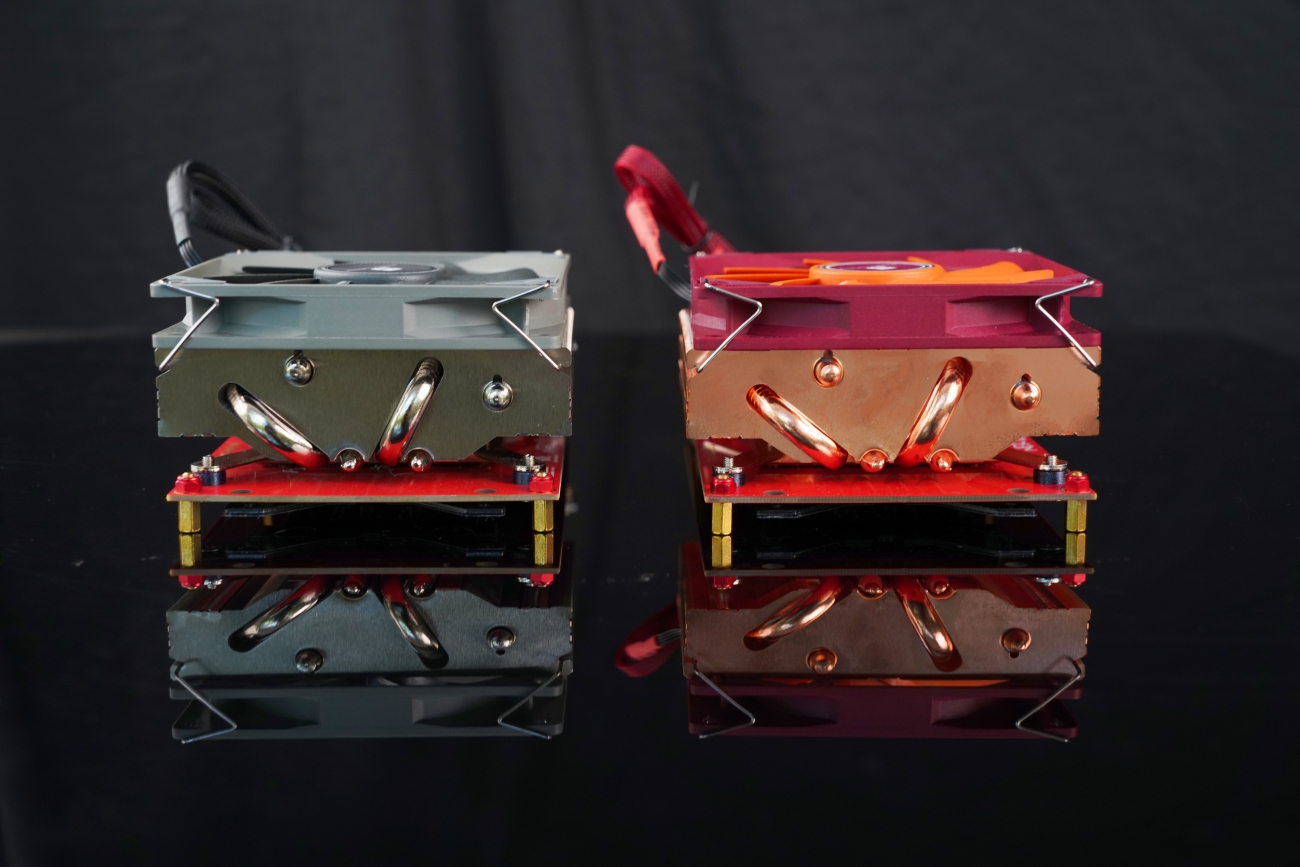
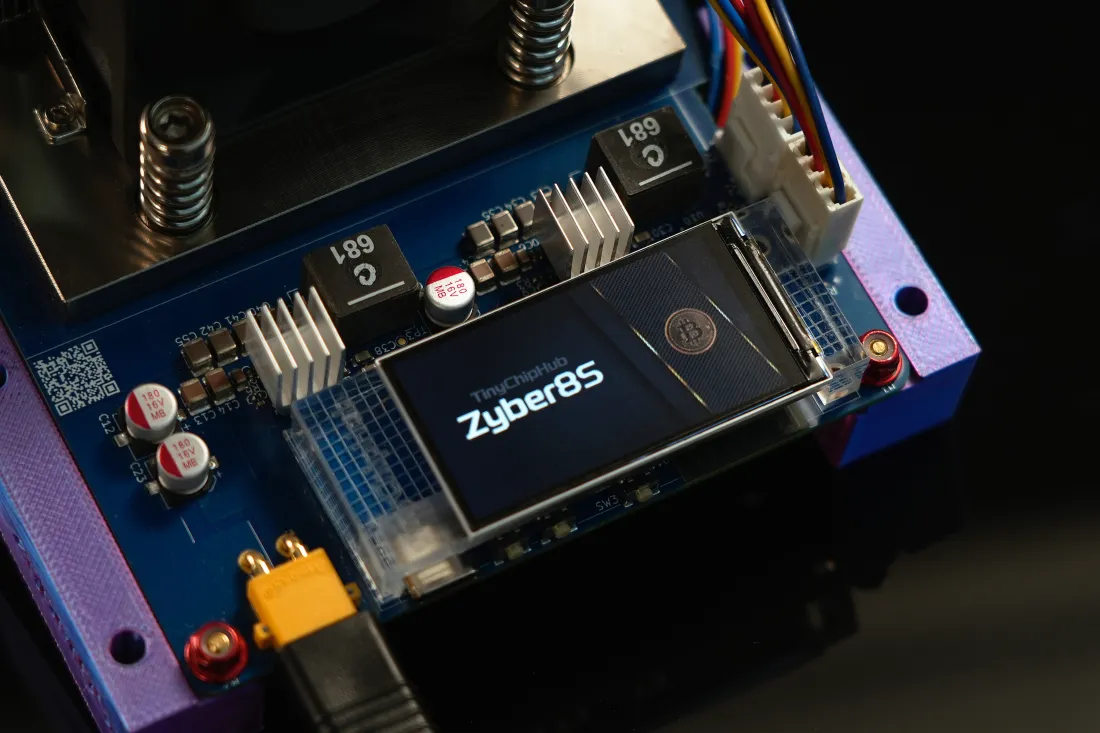
Its key to being "home-office friendly" lies in its customized silent cooling solution. According to TinyChipHub's 2025 new product design, based on the nerdqaxe REV6 version, the NerdQaxe++ Remastered Edition represents the ultimate evolution of the original design. It is meticulously engineered by TinyChipHub to shatter thermal barriers with Solid Copper Fill in PCB layers and unleash unprecedented hash power through Revolutionary Circuit Innovation.
Note: For safety reasons, TinyChipHub Labs retained and upgraded the original fuse, hence continuing to use the barrel power connector instead of the XT30 power interface.
🔥 Core Specifications at a Glance!!!
- Algorithm Locked: SHA-256 (This is the math problem it excels at).
- Power Consumption Range: 80W (low load) - 100W (peak hashrate), roughly equivalent to a high-performance gaming laptop.
- Noise Level: < 45dB, at 1-meter distance, meeting most home environment noise certification standards.
- Connection: Comes with a compatible 12V-10A power supply, plug-and-play.
Think of it as a dedicated, quiet, and power-controllable computing machine, and its positioning becomes clear. As noted in a 2025 review by Bitcoin Miner Hub: "NerdQaxe++ redefines the boundaries of home mining, shifting from profit-seeking to experiencing protocol participation itself."
Hashrate & Efficiency?
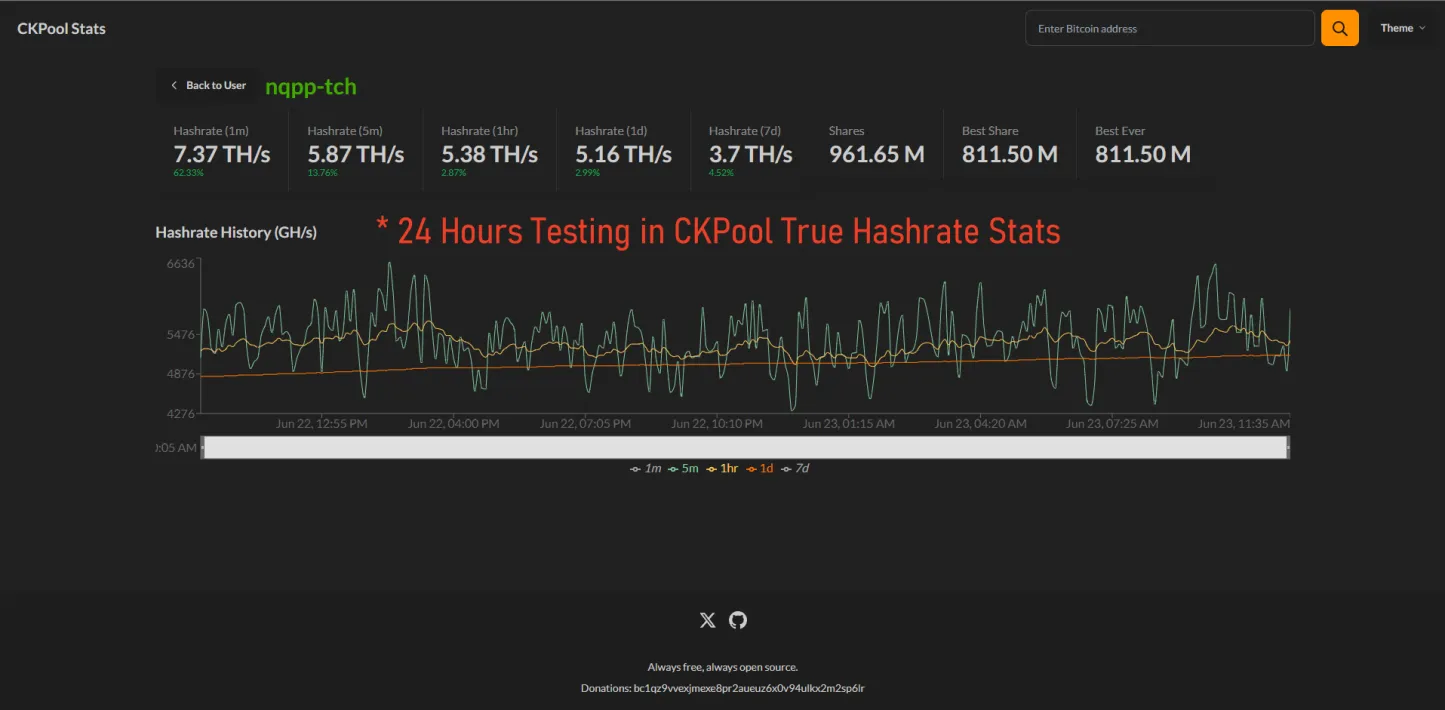
Even when overclocked, a 6TH/s hashrate is like a drop in the ocean compared to Bitcoin's total network hashrate, but that's precisely its design philosophy. The 4.8-6TH/s hashrate parameter of the NerdQaxe++ isn't about "raw power" but about "energy efficiency ratio" and "feasibility." It gives you a physical entry ticket into the world of SHA-256 mining with power consumption akin to a household appliance. Here's a test case from TinyChipHub Labs for the NerdQaxe++: CK pool testing under OC mode: Sustained hashrate (24-hour average) around 5.2Th/s, with bursts exceeding 6Th+/s, while maintaining power consumption at about 95W.
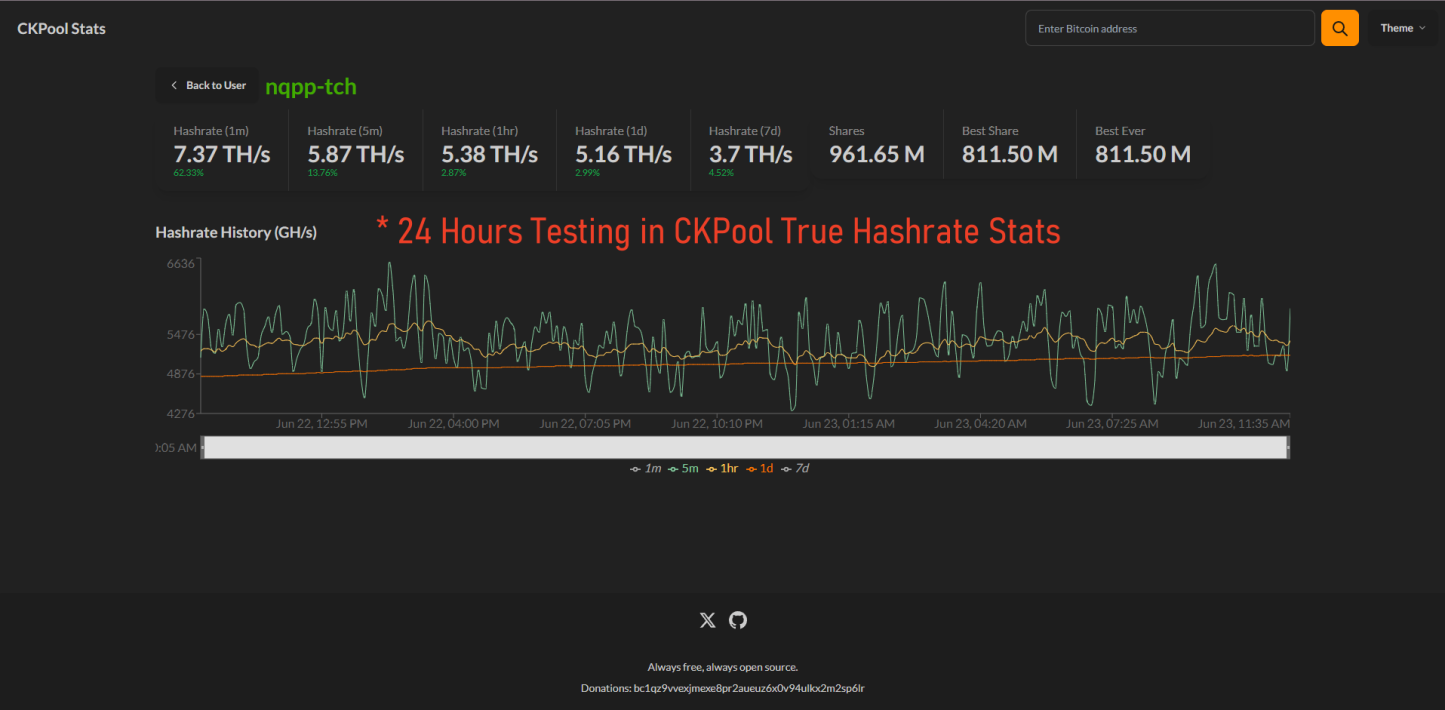
Let's make a brutal yet realistic comparison: the current Bitcoin network hashrate exceeds 1000 EH/s (i.e., 1 billion TH/s). In terms of probability alone, solo mining a BTC block is indeed like winning the lottery. But here's the key: its energy efficiency is at the level of about 15.83 J/TH (joules per terahash). For reference, some early ASIC miners (like the Antminer S19 series) have an efficiency of 23~30 J/TH? It also differs from ordinary bitaxe miners, which have lower efficiency. While the absolute hashrate differs, the NerdQaxe++ is relatively advanced in energy efficiency, putting all its electricity precisely where it counts.
So, what can this hashrate actually do? ❓
- Solo Mining: It's like you buying all the different number combinations for a lottery ticket. Although the winning probability is still dictated by chance, if you hit, you'll enjoy the entire block reward (currently about 3.125 BTC post-2024 halving) alone.
- Supporting Small Coin Networks: On chains with much smaller total hashrate, such as DigiByte (DGB) or Fractal Bitcoin (FB), your 6TH/s could be a non-negligible "armed force," exponentially increasing your chances of mining a block.
The table below visually illustrates its positioning differences.
| Comparison Item | NerdQaxe++ Remastered Edition | Large Mining Farm Mainstream Rigs |
| Hashrate Goal | Experience & Micro-Participation | Scalable Profit & Network Security Maintenance |
| Deployment Scenario | Study, Living Room, Attic | Professional Hosted Mining Farms |
| Participation Mode | Lottery/Exploratory | Industrialized Production |
💰Compatible Cryptocurrencies List
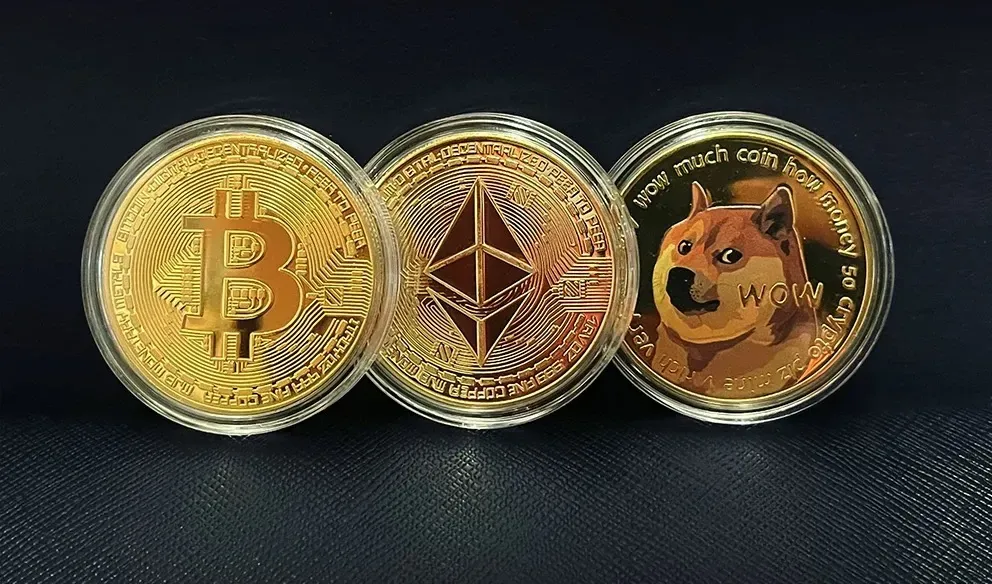
In a nutshell, all SHA-256 algorithm-based crypto coins are its potential "hunting grounds." The NerdQaxe++ compatibility list is essentially a family tree of the SHA-256 family, from the progenitor to various forks and variants; it can "understand" and participate in their mining processes.
We can categorize these coins into two main types: Mainnet Networks and Experimental/Niche Networks.
🔥 Mainnet Networks (High Difficulty, High Reputation)
- Bitcoin (BTC): The ultimate goal, unquestionably. Although the probability of solo mining a block is extremely low, the psychological satisfaction of directly participating in the world's largest, most secure decentralized network "I'm mining Bitcoin" is priceless. According to Bitnodes 2025 data, there are nearly 100,000 reachable Bitcoin nodes globally; your miner in solo mode is one such micro-competitive node.
- Bitcoin Cash (BCH): As a major fork of BTC, it inherits the SHA-256 algorithm. BCH's network difficulty is orders of magnitude lower than BTC's, meaning the probability of actually confirming a block with the NerdQaxe++ is much higher, suitable for users who want to see "mining results" more quickly.
❄️ Experimental/Niche Networks (Low Difficulty, High Exploratory Value)
- DigiByte (DGB): A multi-algorithm blockchain, with one chain dedicated to SHA-256. The DGB network welcomes small miners, giving your device a more noticeable presence here.
- eCash (XEC): Forked from BCH, it also uses SHA-256. It focuses on micro-payments, with a relatively small network hashrate.
- Fractal Bitcoin (FB): A newer project emphasizing programmability, as a Bitcoin sidechain/variant. For tech enthusiasts, supporting an emerging network with physical mining hardware is full of geeky exploration fun.
⚠️ Important Note: Before switching to mine different coins, you must ensure your digital wallet address is fully compatible with the target chain. Sending coins to an incompatible chain may result in permanent loss. For example, BTC and BCH address formats are generally separated in most wallets and cannot be mixed.
Mining Methods🔍
Mining with the NerdQaxe++ comes down to two fundamental paths: either Solo Mining or joining a mining pool for Pool Mining. Your choice depends on whether you want the thrill of a "one-hit wonder" or the "steady stream of feedback."
🏃 Method 1: Solo Mining
This is the purest, most thrilling, and most patience-testing mode. Your miner connects directly to the target coin's entire network, taking on all other miners solo.
- How to Operate: In the miner's backend configuration interface, enter the address and port of a "full node" for the target coin's blockchain. You'll need to run your own full node (e.g., Bitcoin Core for BTC) or find a publicly accessible remote node.
- Feels Like: Using a homemade fishing rod in the Pacific Ocean, trying to catch a specific tuna. But if you do catch it, the whole boat (block reward) is yours.
💪 Method 2: Pool Mining
This is the more practical choice that provides continuous feedback. You contribute your hashrate to a mining pool (e.g., Slush Pool, F2 Pool, CK Pool, etc.), compute together with others, and share the mined block rewards proportionally.
- Choose a Pool: Find a mining pool that supports the SHA-256 algorithm and accepts small hashrate miners. Register an account and create a "worker" sub-account.
- Configure the Miner: In the NerdQaxe++ network settings, enter the mining address, port, your worker name, and password provided by the pool.
- Sit Back and Share: Afterwards, you can see your hashrate contribution and accumulated tiny shares on the pool's website. Although each payout might be only 0.0000x coins, it happens continuously.
According to Slush Pool's 2025 report, over 15% of active connections on its platform come from home miners with hashrate below 10TH/s, indicating that small hashrate miners forming alliances is a common choice. Most mainstream pools support SSL/TLS encrypted connections, providing basic security authentication for your mining communication to prevent man-in-the-middle attacks.
➡️ Direct Advice for You: If you want to experience the heartbeat and the most primitive form of the protocol, start by configuring Solo mode, even if just for 24 hours. If you prefer to see continuous activity and data, and accumulate a bit of cryptocurrency "dust," joining a reputable mining pool is a more relaxed option.