Solo Bitcoin mining in 2026 is still worth trying, but it is better suited for tech enthusiasts who enjoy technical exploration, device control, and blockchain infrastructure. For individual users, the value of Solo Mining lies not just in the outcome, but in the complete experience of running a node yourself, managing the miner, and understanding how the Bitcoin network operates. Based on 2026 network environment tests, a ~1 TH/s level mining device performs one trillion hash calculations per second. Finding a new block remains a low-probability event, yet the thrill of independently discovering a block is attracting a growing number of home miners in North America and Western Europe.
1. What is Solo Bitcoin Mining
When many newcomers first hear "Solo Mining," they might imagine: turn on the computer, click a button, and Bitcoin pops out. The reality is a bit harsher—and also cooler.
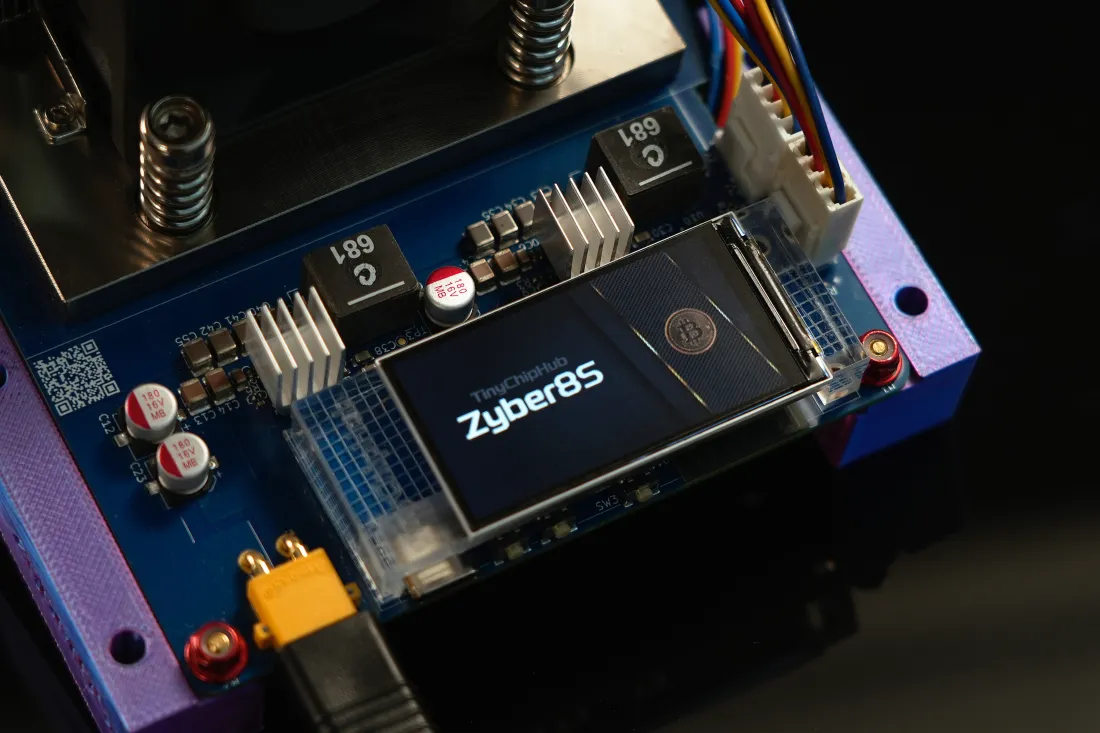
Solo Bitcoin mining essentially means participating in the block discovery process independently via a miner (e.g., Bitaxe Gamma Turbo, Nerdqaxe++, Zyber 8G, and other crypto mining devices), without sharing rewards with other miners. When your device successfully finds a new block, you receive the full block reward. Currently, the Bitcoin block reward is 3.125 BTC (after the 2024 halving), plus transaction fees included in the block.

Simply put, a mining pool is like a large team, while Solo Mining is more like entering a global computational challenge solo.
- Pool Mode: Multiple devices share computing tasks.
- Solo Mode: Your own node, your own device, your own calculation flow.
- Node Mode: The device directly understands and validates Bitcoin network rules.
The biggest change in this model is that the miner has full control. You decide which node to connect to, what firmware to use, and how to manage the device. For many home miners, this feels similar to building your own server rather than renting someone else's computing resources.
According to 2025 U.S. mining equipment test data, an ASIC miner using the SHA-256 algorithm can reach over 10 TH/s under standard test conditions, performing over ten trillion hash calculations per second. That sounds impressive, but it's actually just a tiny speck in the entire Bitcoin network.
| Item | Solo Mining Characteristics | Pool Mode Characteristics |
|---|---|---|
| Reward Method | Full block reward upon success | Distributed by contribution ratio |
| Control Authority | Fully autonomous node management | Depends on pool rules |
| Technical Requirements | Requires knowledge of nodes, networks, hardware | Simpler setup |
The Tiny Chip Hub studio found during 2026 home miner configuration tests that new users often don't ask "how fast is the machine" first, but rather "is my device actually connected to the Bitcoin network." This is exactly what makes Solo Mining appealing: it turns a miner from a black box into an observable, adjustable, and educational technical tool. Some DIY miners in Europe even install Solo Mining nodes next to their home servers, treating them as long-term tech projects.
📌 Technical Note: Solo mining usually requires support for Bitcoin Core node connection, Stratum protocol communication, and a stable network environment. Some professional devices adopt safety certifications such as CE and FCC to ensure stable long-term operation in home environments.
2. Home Mining: Is It Still Attractive
If you ask a home miner why they choose Solo Mining, the answer usually isn't just a number. More often, they love the feeling that "the device fully belongs to me." Over the past few years, the TinyChipHub team has observed changes among small-scale miner players in the US, Canada, and Germany. They no longer just buy equipment; they are building their own small computing environments.
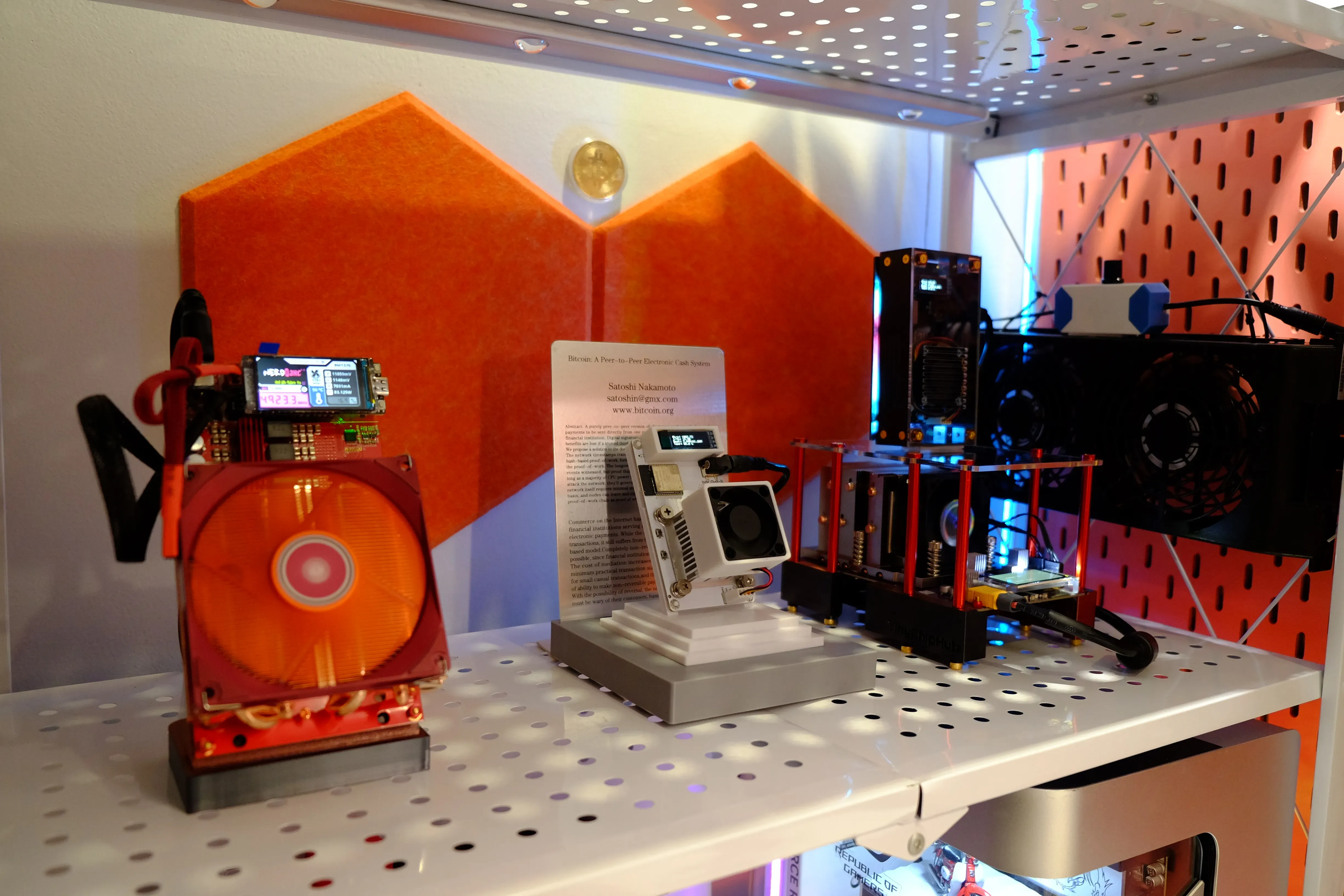
Some place the miner in the garage, some in a separate studio, and others connect it to their home server system. For these users, the miner is more like a piece of experimental equipment running long-term. The experience is a bit like assembling a high-performance PC. You don't open it every day just to stare at the hashrate, but you do care whether the cooling is normal, the system is stable, and the config is reasonable.
- 🔥 Tech Interest: Learn blockchain node operation.
- ❄️ Home Lab: Build a personal computing device environment.
- 💪 Long-term Experience: Own the complete mining workflow.
However, Solo Mining is not the best choice for all home users. If you prefer simple operation and want the device managed automatically, pool mode is more suitable. If you enjoy studying technology and tweaking parameters, solo mode will be much more attractive.
From a product design perspective, the biggest demands of home users are changing. They want quieter, easier-to-manage, and safer miners. Therefore, next-gen devices like the BM1373 Miner are adding features such as multi-platform remote monitoring, backend access, and hardware designs compliant with FCC and CE standards.
❄️ Technical Reminder: When using a miner at home, pay attention to ventilation space, network stability, and device certification. It is recommended to use FCC-certified power supplies and keep firmware updated to avoid unknown vulnerabilities affecting operation. A good hardware experience comes from details, not just chasing specs.
3. How is Success Rate Calculated
Many users ask us: "How long until my miner finds a block?" There is no simple answer. Because Solo Mining does not produce results on a fixed daily schedule; it follows a probability model. The Bitcoin network doesn't guarantee results just because your device runs every day. Your device simply joins a global competition; probability depends on the ratio between your personal hashrate and the total network hashrate.
The logic is very simple:
- Confirm your miner's actual hashrate.
- Check the current Bitcoin network total hashrate.
- Calculate your hashrate proportion.
- Estimate based on the number of blocks generated per day.
Formula: Personal Hashrate ÷ Network Hashrate × Daily Block Count = Theoretical Discovery Probability
Based on this ratio, the probability of a personal device finding a block is extremely low, but that's also what makes Solo Mining exciting. It's not steady output; it's hunting for your own lucky moment in a massive network. Before calculating success rates, home miners should confirm their goals:
- Do I enjoy researching technology?
- Am I willing to manage the device myself?
- Do I want to understand Bitcoin infrastructure?
The table below helps beginners grasp it quickly!
| Device Type | Hashrate Range | Suitable Users |
|---|---|---|
| Home Solo Miner | 1-50 TH/s | Tech Enthusiasts |
| Industrial ASIC Miner | 100 TH/s+ | Large Mining Farms |
According to specs of the new-generation BM1373 miner released in 2026, high-performance mining gear has officially entered the sub-10 J/TH efficiency tier. This further indicates that home users need clear goals: learning, tinkering, research—rather than copying industrial farm models. It also means heat dissipation is harder to control and safety requirements are higher!
➡️ Practical Advice: Beginners can start with a testnet node environment to get familiar with wallet connections, node synchronization, and miner backend settings before jumping into full Solo Mining. Before calculating probabilities, verify your miner's hashrate, network connection, node software version, and check if the device supports a Bitcoin Core-compatible environment.
4. Is It Still Profitable
"Is there still profit potential?" is the question every newcomer asks. But for Solo Mining, a more accurate question is: "Does this playstyle fit my goals?" Because its logic differs entirely from traditional industrial mining. If you buy a home miner aiming to learn about Bitcoin infrastructure, then Solo Mining remains attractive. If you expect steady output like a regular service, you may face huge psychological disappointment.
More and more home miner products are being optimized for:
- Higher peak hashrate
- Reduced noise levels.
- Optimized cooling design.
- Added remote management features.
- Support for more node tools.
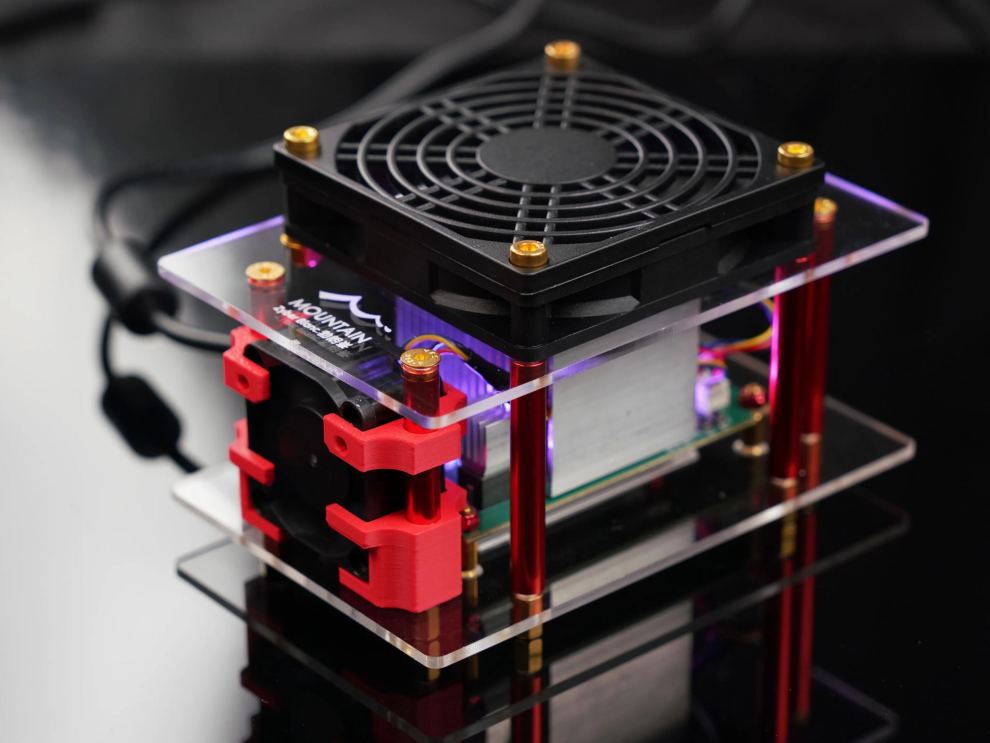
The Zyber Blanc OC recently launched by TinyChipHub runs at around 50+ dB noise in a 26°C ambient environment and supports Zyber OS, a self-developed independent backend management system. Such designs clearly cater more to home user needs. Efficiency improvement has become a key industry focus; modern miners care more about performance per TH/s rather than simply overclocking for raw hashrate. After all, the original direction for home miners is safety, quietness, energy saving, and cost-effectiveness.
| User Goal | Recommended Mode |
|---|---|
| Learning Blockchain Technology | Solo Mining |
| Experiencing Miner Management | Solo Mining |
| Pursuing Stable Output Experience | Pool Mode |
For home users in the US, Canada, and Western Europe, Solo Mining is more like a long-running personal tech gadget—it connects your room, your network, and your interests. For home miners, the greatest charm of Solo Mining is making a miner truly your device. You see it running, you tweak its parameters, and you deeply understand the computational logic behind the world's largest decentralized network. The real fun is when your machine hums quietly every day, and you know you're participating in one of the planet's largest computing networks.

comments