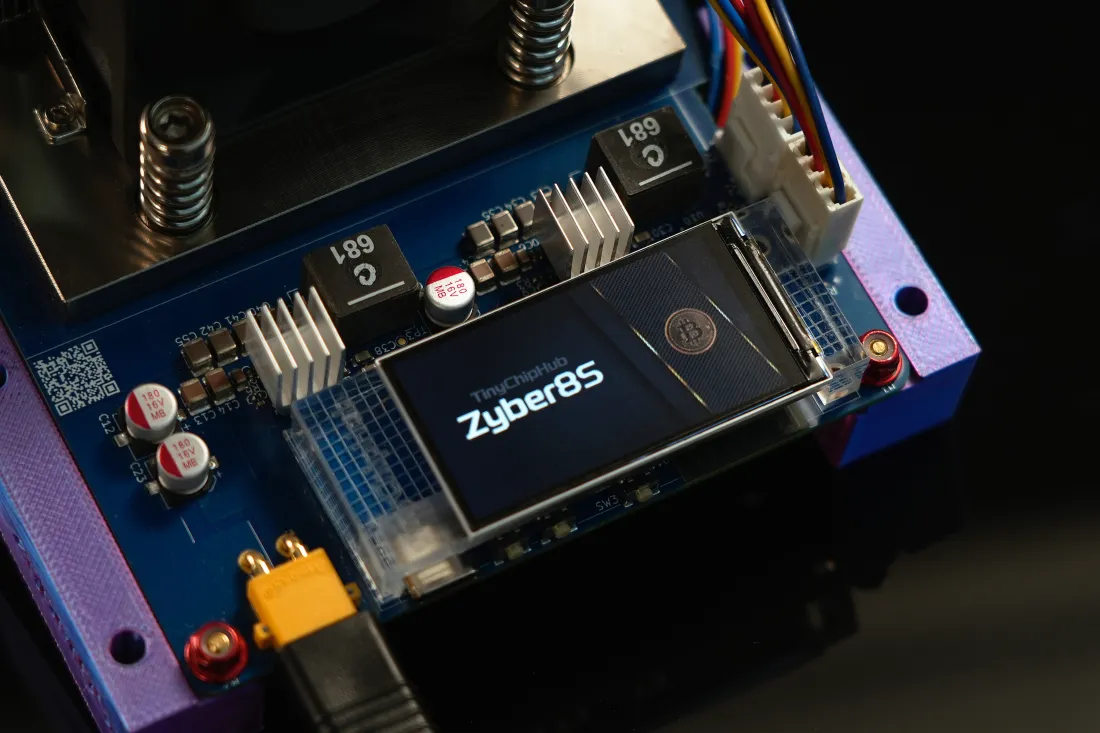
A Bitcoin hardware wallet can be understood as a small offline computing device dedicated to protecting private keys. It does not "store" BTC inside the machine; instead, it is responsible for generating, storing, and using private keys to sign transactions. Under normal circumstances, the private key never leaves the device. However, the COLDCARD firmware security incident on July 30, 2026, and the Trezor logistics supply chain leak on August 10 remind us: Hardware security is not just about chip security—firmware, random number generation, purchase channels, and personal shipping information are equally important.
1. What Is a Bitcoin Hardware Wallet
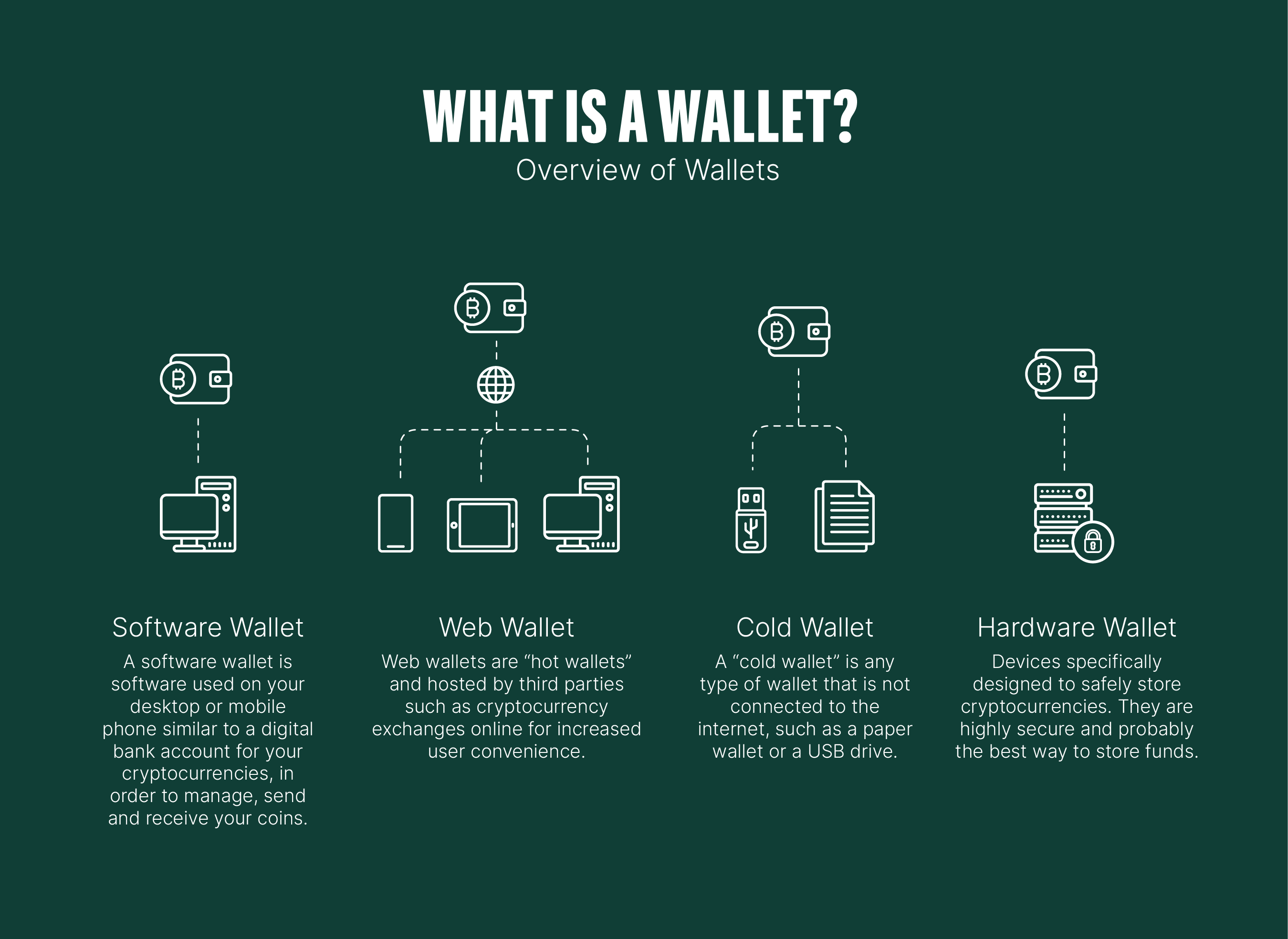
TinyChipHub first began to treat hardware wallets as true "security devices" after disassembling the peripherals of Home Miners. Many newcomers mistakenly think a hardware wallet is just a "small USB drive" that holds BTC. It is not. BTC is still recorded on the Bitcoin blockchain; what the hardware wallet stores is the private key required to access this on-chain data.
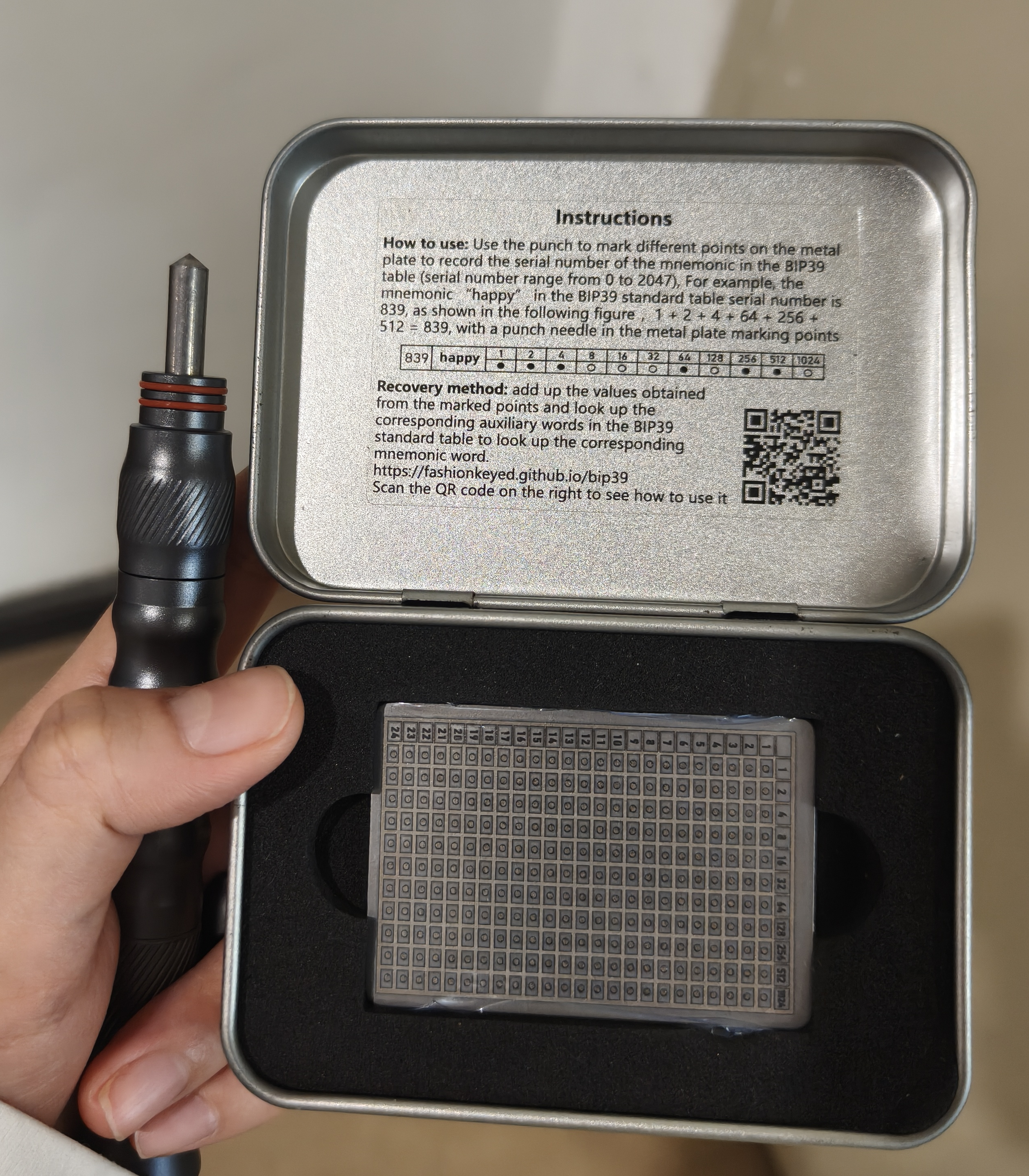
Unlike physical backup tools such as BTC Cold Storage Titanium Seed Plate, this distinction is crucial. The device may break, the screen may fail, and the USB cable may even be lost, but as long as the wallet backup remains reliable, the user can restore control on a compatible device.
The definition of a hardware wallet follows similar logic: the device primarily protects the private key and reduces the internet attack surface through an offline environment. A typical wallet backup usually uses a 12- or 24-word recovery phrase, but what truly needs protection is not the plastic casing, but the key material behind it.
Technically, it can be broken down into three components: Private Key, Signing Device, and Blockchain Network. Bitcoin uses elliptic curve cryptography for signature verification; common transaction flows involve ECDSA or Schnorr signature schemes. For Bitcoin wallets using Taproot, BIP340 Schnorr signatures are also involved. The device itself does not need to stay connected to the internet long-term, nor does it need to know all the data of the entire Bitcoin blockchain.
| Component | Function | What Home Users Should Pay Attention To |
|---|---|---|
| Private Key | Controls wallet signing permissions | Must never be leaked or entered on unfamiliar websites |
| Recovery Seed | Restores wallet control | Store offline; avoid photos and cloud syncing |
| Hardware Device | Isolates keys and performs signing | Check device source, firmware, and initialization process |
| Bitcoin Network | Validates and records transactions | Verify address, amount, and transaction type |
There is a particularly easily overlooked contrast: A hardware device worth tens to hundreds of dollars does not actually protect the device itself, but the key material generated inside it. In other words, no matter how rugged the casing is, if the random number generation is flawed, the security model may still crumble from its very foundation.
COLDCARD’s security design is a classic example. Models such as Mk4/Q use two Secure Elements from different vendors, combined with firmware signatures and reproducible build mechanisms. The ATECC608 and DS28C36B mentioned in the official security model bear different security responsibilities. This design philosophy is easy for small-scale miners to understand: do not put all secrets into a single component.
2. How Do BTC Hardware Wallets Work
What makes hardware wallets truly interesting is not the word "offline," but when the private key appears, where it is used, and whether it ever leaves. My understanding is simple: the internet-connected computer acts as the "messenger," while the hardware wallet acts as the "stamp." The computer can see the transaction, but the wallet uses the private key to complete the final signature.
- Wallet generation: The device generates seed and key material via a random number mechanism.
- Transaction creation: The connected device prepares transaction data, such as inputs, outputs, amount, and fees.
- Transmit unsigned data: Transaction data is sent to the hardware wallet; the private key is not transferred.
- Device verification: The user checks key fields such as address and amount on the screen.
- Local signing: The hardware wallet generates a digital signature using the internal private key.
- Broadcast transaction: The signed result is returned to the connected device, which then propagates it to the Bitcoin network.
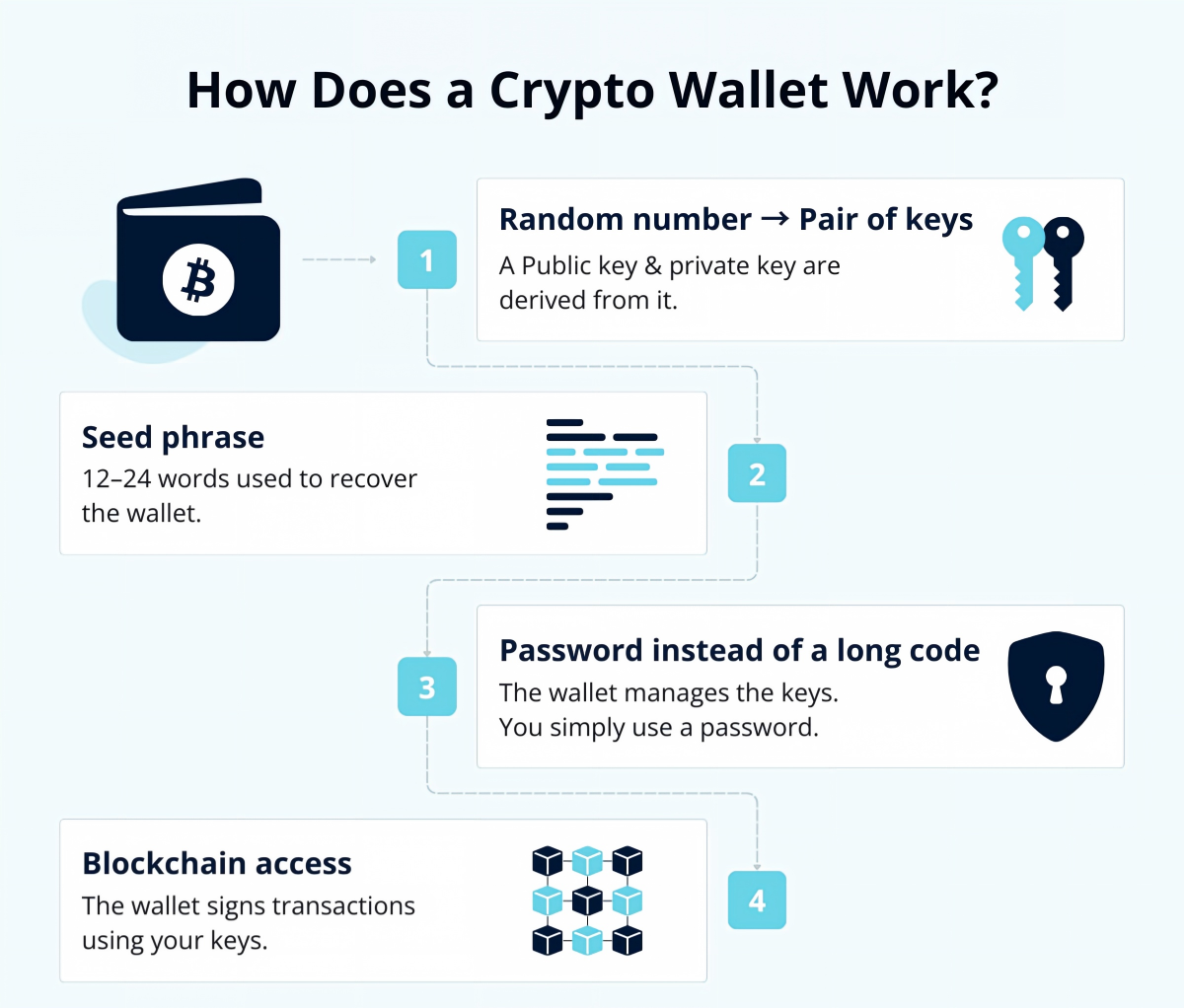
This process shows that a hardware wallet can receive an unsigned transaction, complete the cryptographic signature internally, and return the signed transaction to the connected software; the core principle is that the private key never leaves the hardware device. This is not ordinary "file encryption," but Bitcoin’s transaction signing model.
⬆️A very intuitive example: Suppose you are about to send 0.01 BTC. The computer tells the hardware wallet: "I want to create this transaction." But the real private key is never copied to Windows, macOS, Android, or a browser extension. The hardware device sees the transaction content and completes the signature. For SegWit wallets, BIP141 is involved; for Taproot, it may involve BIP341, BIP342, and BIP340.
Here I would especially remind home miners of one action: do not just stare at the computer screen. If the computer is infected with malware, the address on the screen may be spoofed. What is truly worth verifying is the transaction information displayed by the hardware wallet itself. When the device shows a "bc1..." address, it is best to manually check the key characters. Spending an extra ten seconds is far more comfortable than panicking after discovering the address was swapped.
Security certifications and hardware isolation should also be understood separately. Some hardware wallets use technologies such as Secure Elements, secure boot, and firmware signatures; these increase the cost of attack but do not mean "never having problems." For example, COLDCARD’s current public security architecture includes dual Secure Elements, verifiable firmware, and firmware integrity checks. What is truly worth examining is whether these mechanisms are continuously validated throughout the device lifecycle.
TinyChipHub's judgment criterion is simple: If a crypto device only tells you "we are very secure" but cannot explain where the randomness comes from, how the firmware is verified, where keys are generated, or how transactions are signed, then the logic of security does not hold up.
3. Two Incidents: Firmware Vulnerability & Supply Chain Leak
The two 2026 incidents are perfect to examine together because they attack completely different layers. The COLDCARD incident involves a technical issue at the wallet generation stage; the Trezor incident involves a data security issue during product delivery. One happened in code and randomness, the other in the logistics system. Hardware wallets have not suddenly become "insecure," but the security boundaries have been drawn much more clearly.
3.1 COLDCARD Vulnerability Incident
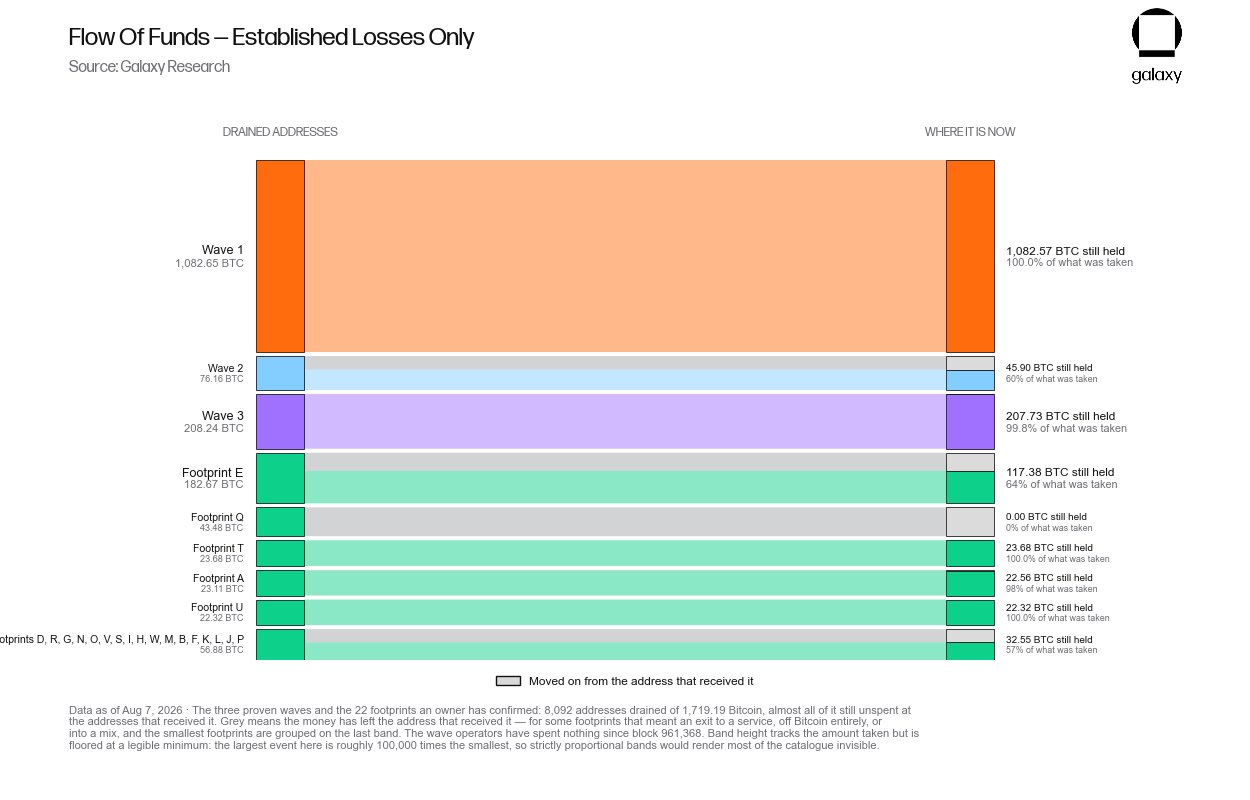
First, COLDCARD. On July 30, 2026, Coinkite issued a security warning stating that some COLDCARD Mk3 wallets were at risk, and Coldcard wallets suffered a large-scale exploit. According to Galaxy Research statistics as of August 7, affected seeds are linked to specific historical firmware versions; reports indicate 1,719.19 BTC (worth $111 million) have been stolen from Coldcard victims, with approximately 8,092 wallet addresses drained. Estimates suggest total losses may exceed 2,300 BTC. The cause was a silent RNG bug in the 2021 firmware. Will Owens baited an automated MEV-style bot and won an on-chain RBF fee race in real time. Moreover, open-source AI models have officially rewritten the playbook for hardware vulnerabilities and on-chain analysis.
For details, please refer to the impact on COLDCARD Security Disclosure History
What is a wallet seed most afraid of?
Not ordinary brute force, but "you think it's random, but it actually isn't that random." The search space of a secure random number should be large enough. Assuming ideal entropy reaches 128 bits, the theoretical combination space is 2128. If the implementation causes a sharp drop in effective entropy due to firmware or hardware configuration issues, the search space faced by an attacker suddenly shrinks. A number may look like just a parameter in code, but in reality, it can mean a completely different security level.
This incident also illustrates a very realistic point: a hardware wallet’s security begins the very second the seed is generated. It does not start after you buy the device. Using a device for five years without ever connecting it to the internet does not mean the randomness at the moment of wallet creation automatically becomes stronger.
3.2 Trezor Logistics: The ShipMonk Data Breach Incident
Next, Trezor. On August 10, 2026, Trezor stated that its logistics provider ShipMonk suffered unauthorized access involving customer order data. Trezor's disclosed data shows that 11,742 customers had full information exposed (name, email, phone, shipping address), and another 1,947 customers had partial data exposed (name, city, email), totaling approximately 13,689 people.
| Incident | Primary Risk Layer | Exposure Target | Core Takeaway |
|---|---|---|---|
| COLDCARD 2026 | Firmware / RNG | Wallet seed security | Code implementation directly affects key security |
| Trezor 2026 | Third-party supply chain | Customer orders & contact info | Device security ≠ absolute personal info security |
Trezor explicitly stated that this incident occurred in a third-party logistics system, not Trezor's own systems, and the devices themselves were not compromised as a result. But for real users, things are still troublesome: Attackers know you bought a hardware wallet, know your name, email, and even address, and the next step could be crafting highly convincing phishing emails, calls, or letters.
This is the point I think is most worth remembering for home users: An attacker does not necessarily need to crack your wallet first. If they know who you are, where you live, and what you bought, then send you an email saying "your wallet needs an upgrade, please enter your 24 words," the social engineering attack has already begun.
4. Lessons Learned: Are Hardware Wallets Secure?
Are hardware wallets secure? My answer is: Hardware wallets can significantly shrink the attack surface, but they are not an invincible shield. True security depends on the entire chain: key generation, firmware, hardware, supply chain, backups, and user operations. If any link breaks, the security design may be compromised.
If I were auditing a hardware wallet for a first-time home miner, I wouldn't first ask "which brand is safest." I would ask four questions: Where is the seed generated? How is randomness produced? How is firmware verified? Where is the transaction address confirmed? These four questions can basically filter out a lot of marketing fluff.
- Device layer: Check Secure Element, secure boot, firmware signature, and tamper detection mechanisms.
- Software layer: Confirm firmware version, prioritize official channels, and monitor security bulletins.
- Key layer: Recovery phrases should only be backed up offline; no photos, no cloud drives, never enter into websites.
- Transaction layer: For important transactions, always verify the address and amount displayed on the hardware screen.
- Supply chain layer: Buy from official or trusted authorized channels; avoid second-hand devices of unknown origin.
- Privacy layer: When purchasing physical hardware, also consider exposure of name, phone, email, and shipping address.
Security certifications are worth looking at, but don't treat them as a "permanent get-out-of-jail-free card." For example, secure chips may have Common Criteria certifications, while firmware can be verified via digital signatures and reproducible builds. COLDCARD's public engineering materials show its firmware project supports reproducible builds, meaning developers can rebuild from public source code and compare the resulting binaries. Such mechanisms are especially valuable to technical users because they turn "trusting the vendor" into a partly verifiable engineering process.
Let's look at two very realistic comparisons.
| Scenario | Appears Safe | What You Should Actually Check |
|---|---|---|
| New wallet initialization | Device is not connected to the internet | Randomness, firmware version, backup procedure |
| Receiving a "wallet upgrade" email | Email logo looks official | Never enter Seed; verify directly via official channels |
| Receiving physical wallet | Packaging shows no obvious damage | Device source, initialization state, firmware authenticity |
| Long-term wallet storage | Device kept in a drawer | Whether the recovery phrase is still legible and safe |
This is especially true for North American home users. Hardware products in the US and Canada usually go through warehousing, logistics, returns, and customer service systems. The same goes for European users. The Trezor incident puts this issue directly on the table: an official device may not be cracked, but personal information in the supply chain can still become an attack vector.
When TinyChipHub focuses on BTC Miners and small crypto wallets, miners focus on firmware, network, interfaces, and backend; wallets add randomness, private keys, signatures, and backups. Their commonality is just one thing: the real danger is often not the layer the user can see.
What is truly worth checking is the security model hidden beneath the tens of grams of PCB and chips: is the key isolated, is randomness reliable, is firmware verifiable, can transactions be confirmed by the user, and can the vendor quickly disclose technical details after an issue arises? The most trustworthy moment for a hardware wallet is not when an ad says "Secure," but when you can personally verify why it is secure.