💡 Tip: The following article data is for reference only. Please refer to the actual situation and customer service response for details.
The Bitaxe miner is compatible with mainstream Bitcoin mining pools, such as Slush Pool, F2Pool, and Antpool, all connected via the Stratum protocol. Operation is super simple: open the Bitaxe web interface, enter the pool address and your Bitcoin wallet, click start, and wait a few minutes for the hash rate to soar. The differences between pools are minimal; the only distinction is whether you're mining BTC or other tokens like BCH. Just pick one with low fees, don't overthink it.
What's a Mining Pool? 🤔
Buddy, you can think of a mining pool as "group buying lottery tickets." Using your Bitaxe Miner's small hash rate to try your luck alone, the probability of winning (finding a block) is comparable to being struck by lightning twice. But the mining pool combines the hash power of tens of thousands or even hundreds of thousands of miners worldwide into one force, allowing you to use a home miner to steadily and continuously earn Bitcoin fragments, just like a large mining farm. According to the Braiins 2023 report, over 95% of Bitcoin's hash power is concentrated in mining pools; going solo in 2024 is already a legend.
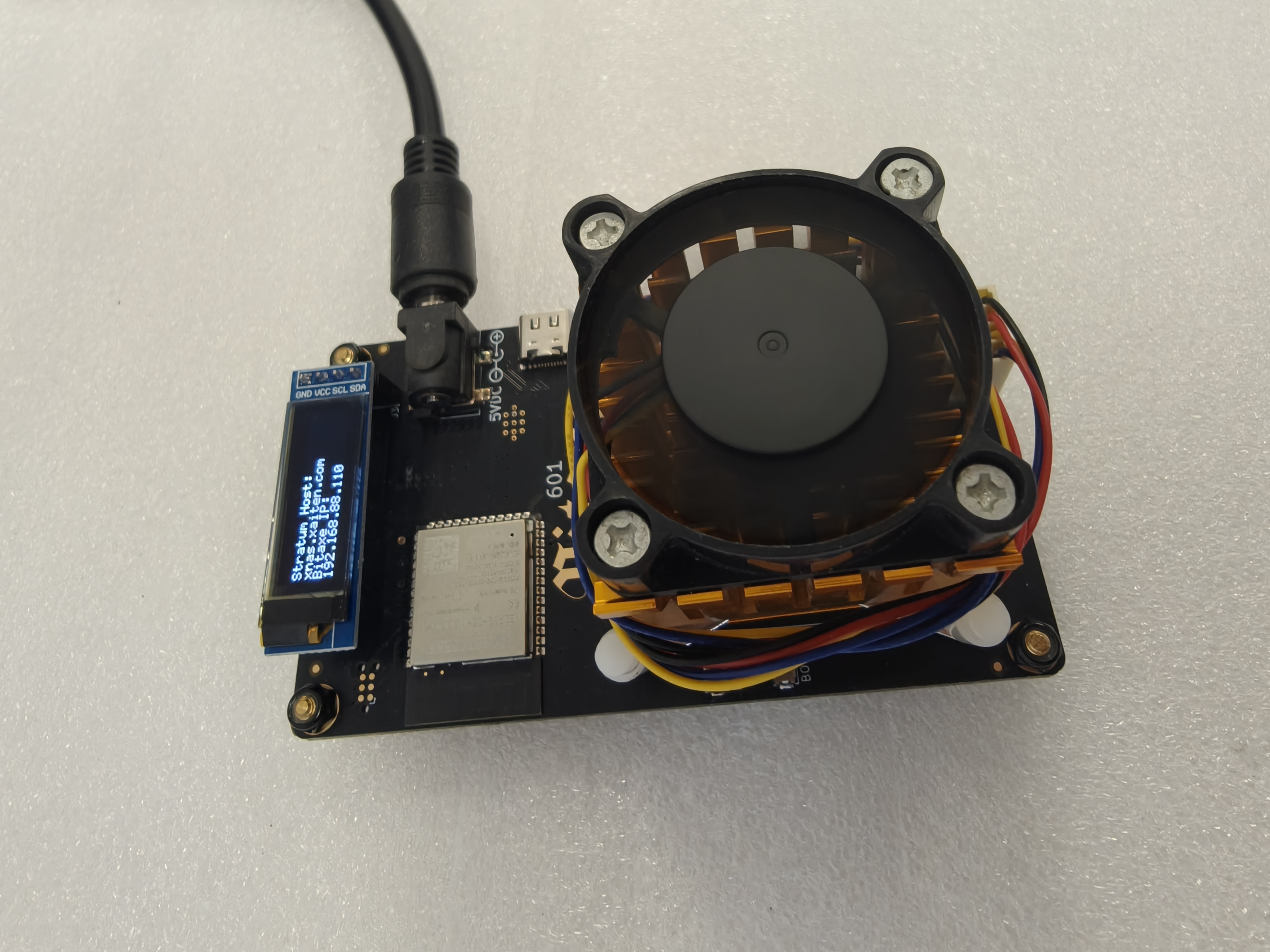
Its working principle is collective effort, distributed according to contribution. The mining pool server is responsible for breaking down the massive computational task (mining the next block) into hundreds of millions of small computational problems (shares), distributing them to small miners like the Bitaxe Miner. Every time you submit a correct answer, it proves you've done the work. When the entire pool luckily finds the standard answer (finds a block), the reward is distributed according to the number of "correct answers" each person submitted. The key protocol here is Stratum V1, which is the "standard language" for communication between miners and pools; your Bitaxe relies on it to receive tasks and submit work.
- Your role: Stable hash rate output, submit valid shares.
- Mining pool's role: Coordinate tasks, verify shares, distribute earnings.
- Bitcoin network's perspective: Only recognizes the address that finally finds the block, regardless of whether you're a lone hero or team effort.
Satoshi Nakamoto outlined a peer-to-peer electronic cash system in the 2008 whitepaper, and mining pools are a natural centralization of hash power in the ecosystem. It is not a company but an automated collaborative protocol network. So, don't treat your mining pool account as a bank savings piggy bank; what you get is a "proof-of-work IOU," and the final settlement depends on the entire team's luck.
Differences Between Mining Pools 💬
The real difference between mining pools is not "who is more conscientious," but the difference in "profit distribution algorithms" and "additional services". This directly determines whether the earnings numbers jumping on your screen are steady as a rock or a roller coaster. There are mainly two models: FPPS (Full Pay Per Share) and PPLNS (Pay Per Last N Shares).
A table to understand the core differences:
| Model | How to Distribute Earnings | Earnings Characteristics | Suitable For |
|---|---|---|---|
| FPPS | Buys your "hash power shares" at a fixed price, including transaction fees. | Extremely stable, like a salary, unrelated to pool luck. | Players who dislike volatility and prefer predictability. |
| PPLNS | Distributes based on the proportion of shares you contributed over a period. | Volatile; ecstatic if the pool finds blocks continuously, sad if luck is bad. | Those pursuing higher long-term average earnings and can withstand volatility. |
Besides the profit distribution model, there are a few hard metrics you should check: Fee (usually 0.5%-2%), Payout threshold (ranging from 0.0001 BTC to 0.001 BTC), and Minimum hash rate requirement (Bitaxe series small miners should avoid pools with thresholds). According to Slush Pool's disclosure at the 2022 Prague Miner Conference, its self-developed Axe OS+ firmware can improve miner efficiency by 5-20%; this is an "additional service."
🔥Key Comparison: In FPPS mode, the daily earnings volatility for 1TH/s hash rate might be <±2%; in PPLNS mode, volatility can be as high as ±10%. The choice is essentially a trade of "a bit of potential higher earnings for certainty". All mainstream mining pools use SSL/TLS encryption connections to ensure your hash rate data isn't exposed; this is standard practice, don't be fooled by those boasting "military-grade encryption."
Choose a Mining Pool 🔍
Choosing a mining pool comes down to three things: Low latency, clear fees, good reputation. For you, the first priority is latency (ping value). If you're in Asia but connect to a European pool with 200ms+ latency, it means the "answers" you submit might always be half a step slower than others, resulting in invalid shares (Stale Share), wasted effort. Use the command line to ping the pool domain; <50ms is excellent, 50-100ms is acceptable, over 150ms should be considered carefully.
- Test latency: Open the computer command prompt, enter ping stratum.slushpool.com, and check the return time.
- Compare fees: Clearly see whether it's FPPS or PPLNS, whether the fee is 1% or 2%, and if there are hidden charges (like "donations").
- Check the community: Go to Reddit's r/BitcoinMining subreddit and search for the pool name to see if there are large-scale complaints about payment issues.
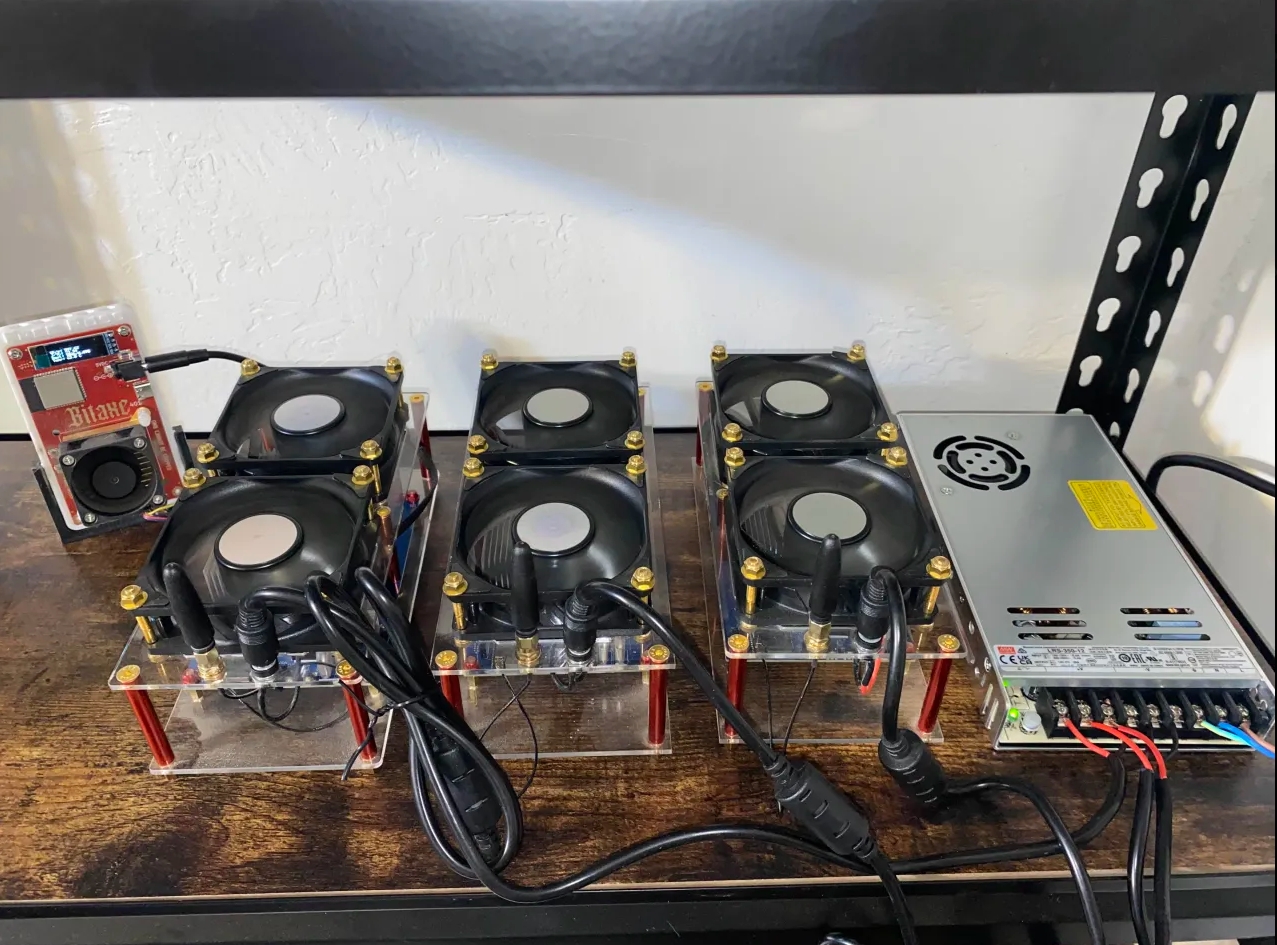
For Bitaxe series such home miners, it is strongly recommended to choose pools that are friendly to micro hash power, have intuitive dashboards, and detailed statistics. For example, Slush Pool (oldest, transparent), F2Pool (user-friendly interface, supports many coins). According to the Mining Pool Transparency project data in April 2024, the top five mining pools account for about 70% of the network's hash power; choosing them means more stable connections and payment security.
💡 Some pools (like ViaBTC) support smart mining, automatically switching to mine the most profitable coin (BTC/BCH) and settling it as BTC for you. This is suitable for lazy people who don't want to fuss, but it introduces switching losses and settlement complexity; understand it before using. Remember, all operations should be under secure connections; your wallet address is the only credential, don't leak your private key!
Mining in Minutes ⏱️
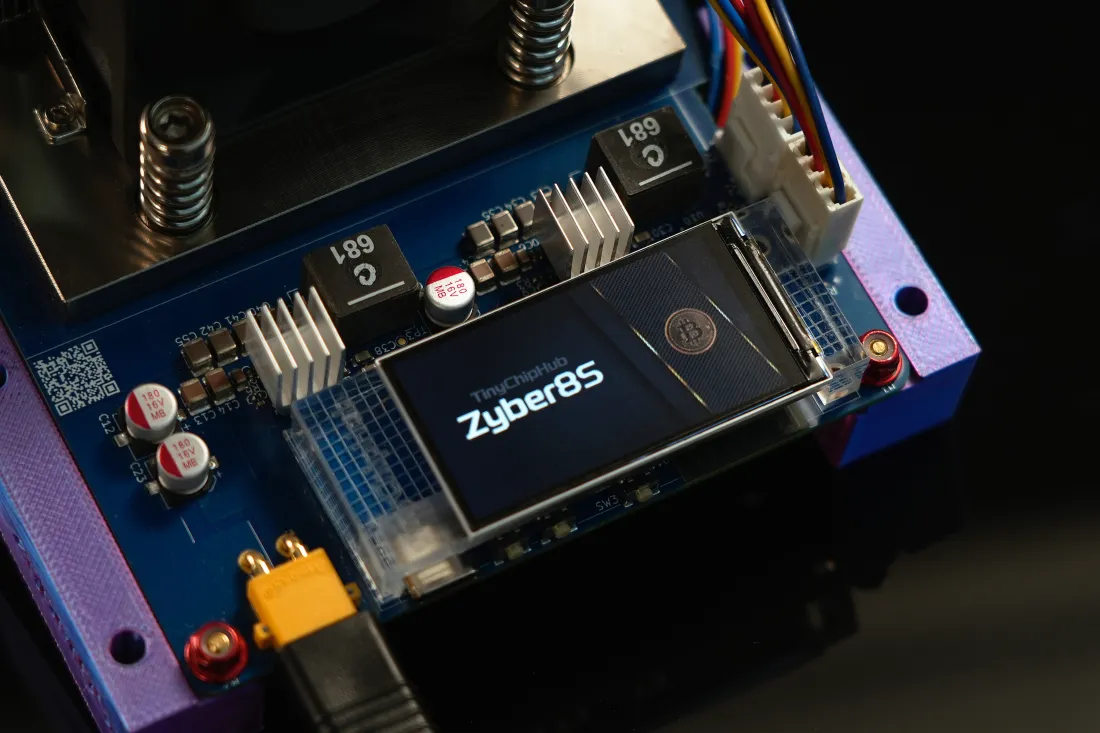
Don't think about it, start now. From powering on to starting mining, it takes as little as 8 minutes. The Bitaxe Ultra launched by TinyChipHub Lab, connect it to power (connect to its Wi-Fi), and the rest is just a few clicks in the browser. That instant feedback of "hash rate starts roaring, shares being accepted" begins.
➡️ Step 1: Get your "payment address" and "miner name". Go to your chosen mining pool's website, register an account with email, and the system will generate a dedicated mining address and a Bitcoin payment address. In the "Worker" management, create a miner name, usually in the format "your account name.device name," e.g., "TinyChipHub.bitaxe1".
➡️ Step 2: Log in to Bitaxe's control center. Use a phone or computer, connect to the Wi-Fi emitted by Bitaxe (or the same local network), and enter 192.168.xxx.xxx in the browser. You'll see a minimalist web backend to configure specific miner properties.
➡️ Step 3: Fill in Pool URL, Username (Worker), Password, then start mining.
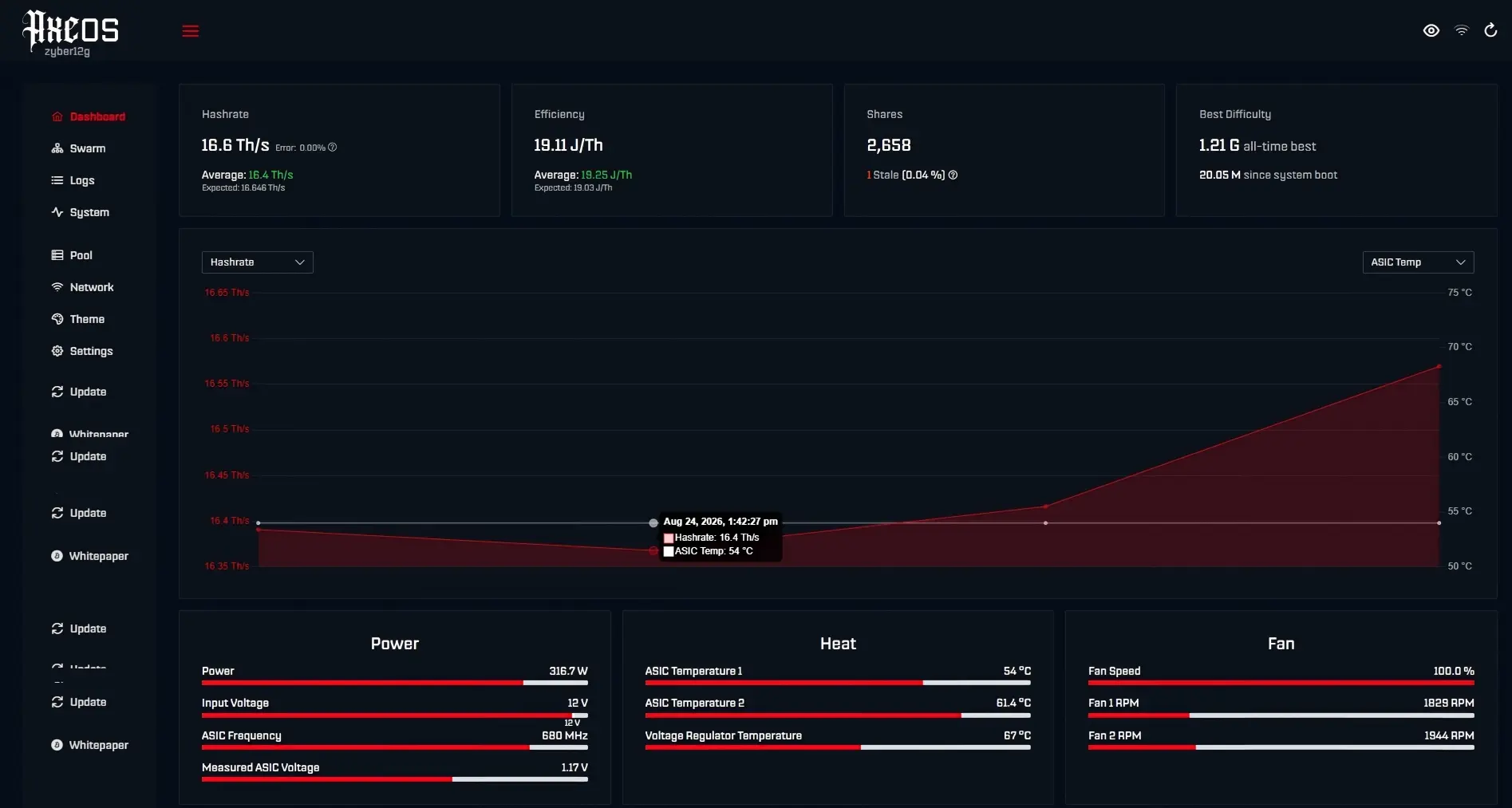
Save, return to the main interface, and click Start Mining. Within seconds, you'll see the Hashrate (hash rate) rise from 0 to near the machine's rated value (e.g., around 10TH/s), and the "Accepted" number below starts jumping. Congratulations, you've successfully contributed hash power to the Bitcoin network! According to Antpool's 2023 user guide, a correctly configured miner usually shows an active Worker in the pool backend within 90 seconds.
🔥 Don't panic, look here: If there are many "Rejected" shares, 99% of the time it's due to network latency or incorrect address entry. If the hash rate is unstable, check the power supply and cooling. Every time you get an "Accepted," it's a historic moment of you controlling this small machine and participating in a decentralized network; this feeling is a hundred times more satisfying than simply waiting for money to arrive. Your miner name (Worker Name) is your unique identity in the on-chain world; choose a good one.