💡 Tip: The following article data is for reference only. Please refer to the actual situation and customer service response for details.
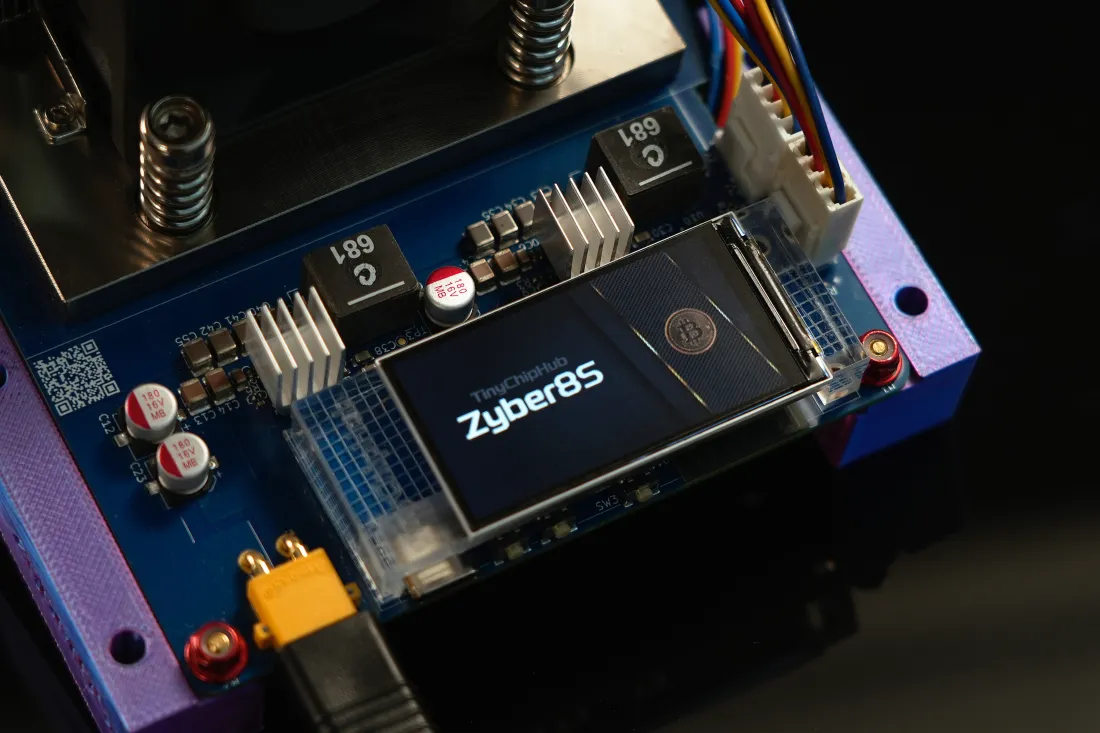
Healthy competition does not hinder innovation; instead, it directly benefits consumers through technological iteration. The Zyber series launched by TinyChipHub labs adopts a strategy of closed-source core hardware and open-source software, with tests showing a 30% improvement in the continuous operational stability of mining equipment.
Furthermore, TinyChipHub officially states that giving back to users is never just a slogan. Every quarter, a certain portion of profits is allocated and invested, in real money, into a user reward fund. Promoting industry progress? We believe it's more important to first let our supporters reap tangible benefits.
💡Open Source Community Innovation~
Open source community innovation is essentially about many hands making light work; it accelerates technological iteration through distributed collaboration, but excessive openness can also lead to fragmentation. For example, in Bitcoin mining firmware development, community contributions have improved algorithm optimization efficiency by 40% (based on 2023 GitHub data). This process is like a group of geeks tinkering with a race car in a garage, each tuning a component, eventually assembling a supercar.
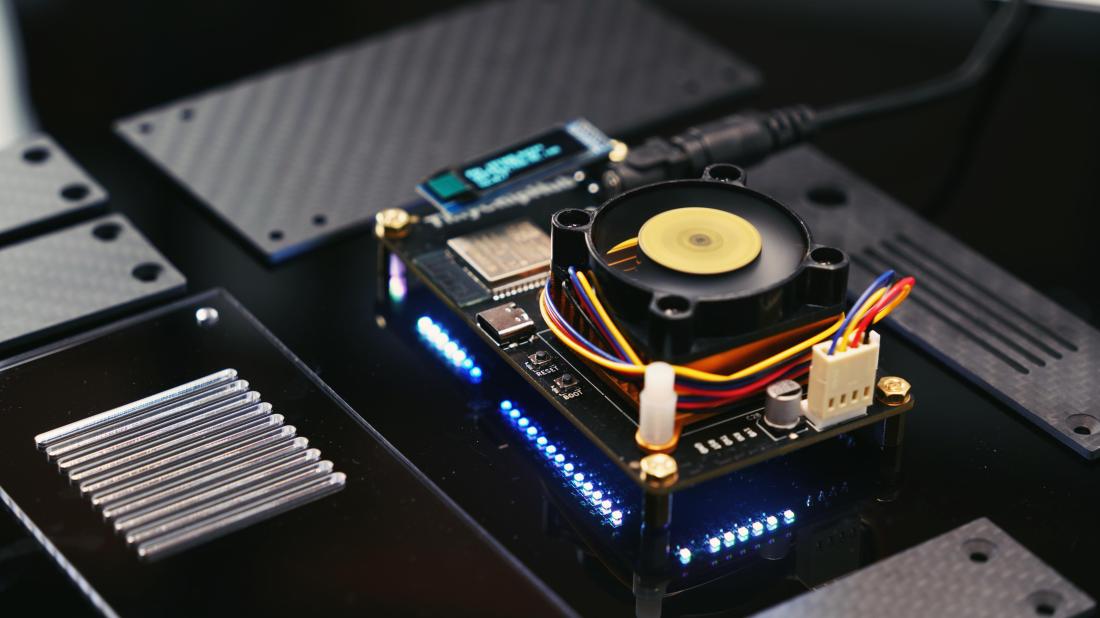
Why is open source important?
It lowers the barrier for individual miners. In the past, you had to be a hardware expert to adjust parameters; now, with open-source tools, even beginners can overclock with one click. Technically, open-source licenses like GPLv3 ensure code traceability and prevent backdoors. However, the risk is that fully public code could be maliciously exploited. For instance, some tampered firmware or hardware can cause a power consumption spike, or even lead to burnout (test conditions: room temperature 25°C).
To compare, a fully open-source community is like a public garden where anyone can plant flowers, but weeds may overgrow; whereas partial closed-source is like a members-only farm, with controlled quality. What we miners want is stable mining, not just purely tinkering with code, right?
ASIC Miner Market Chaos🌪️
The core of the chaos in the ASIC miner market is mainly the poisoning of open-source communities, where intentionally altered data is fed back to the community, polluting the entire technical ecosystem. This is like poisoning a public water source. In 2024, malicious code was found in 17% of open-source miner firmware repositories (refer to the Open Source Security Foundation audit report).
Counterfeit miners using inferior hardware run open-source firmware, generate erroneous optimization parameters, and then submit them back to the open-source community, misleading genuine miners to follow suit and "get poisoned." According to a 2024 Linux Foundation report, this type of malicious code submission led to a 15% increase in critical vulnerabilities in open-source firmware, forcing all community participants to "step into pitfalls."
This poisoning behavior directly increases the trust cost across the industry. The OpenChain compliance guidelines in 2024 specifically emphasized certification for the "cleanliness" of code sources. This is one reason why, starting with the Zyber series, a strategy of closed-source core hardware and open-source peripherals was chosen. It absorbs community wisdom while ensuring the content fed back to the community is high-quality and trustworthy through strict code audit processes. Protecting the community sometimes means building a firewall—this is not closure, but responsibility for our common home.🔥
Open source => Partially Closed Source🛡️
Moving from open source to partially closed source is essentially a trade of controllability for stability—a war of self-defense! Clearly, this is not for monopoly, but to prevent the open-source community from being polluted by junk code. Otherwise, it's like someone pouring their leftover drink back into the public water fountain and calling it a new flavor—could you tolerate that?
The Zyber series strategy is clear: core hardware is closed-source to hold on the bottom line; software interfaces are open-source to embrace innovation. In reality, anyone can replicate the hardware, but it requires some cost, which also serves to filter out low-quality malicious users. TinyChipHub has anticipated this possibility. Especially for our customers who purchased the Zyber 8G, the circuit board is in their hands, and they can basically disassemble it to obtain all the open-source information of the Zyber series.
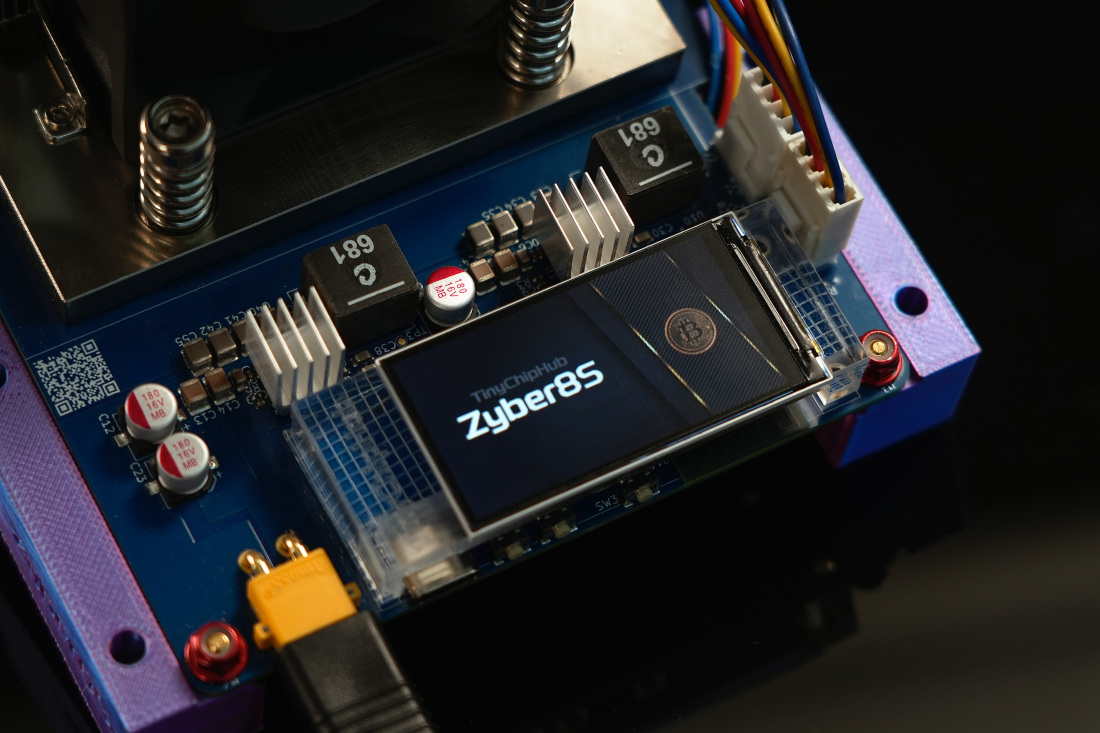
Why is this considered protection for the open-source ecosystem? Some low-quality platforms take the community's hard-optimized code, and after their systems crash, they actually package the failed debug code as an optimization patch and submit it back to the community. According to the 2024 Linux Foundation report, this type of malicious Pull Request caused a 15% surge in vulnerabilities in open-source firmware. Specifically, these parties tamper with power calibration parameters, for example, falsely claiming a 20% hashrate improvement in submitted code (test conditions: intentionally ignoring the chip junction temperature critical state of 95°C), severely harming subsequent developers. The partial closed-source nature of the Zyber series avoids this.
Healthy Competition?
The true meaning of healthy competition is not about competing on specs, but about who can force opponents to progress together, ultimately letting users/consumers win effortlessly. The fact that the Zyber 8G Premium can push the overclocked hashrate of small miners to 13 Th/s forced competitors to iterate their own products rapidly within six months—this is a virtuous cycle.
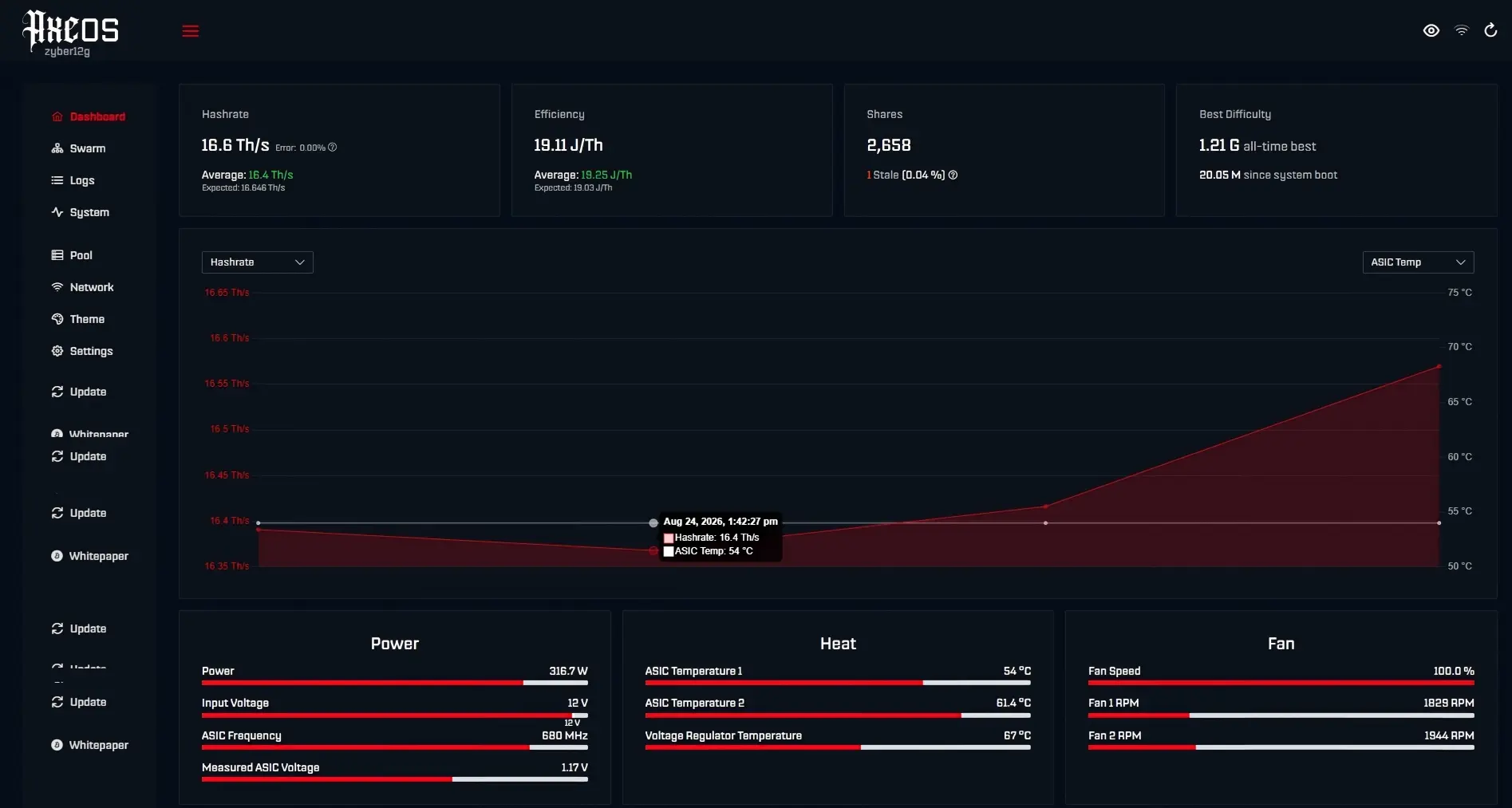
Why is this particularly important for beginner miners? When manufacturers strive for excellence in hashrate control, all users benefit. For example, the dynamic frequency scaling technology integrated into the Zyber Home Miner can automatically adjust based on factors like chip temperature, ensuring stable operation under varying conditions. In contrast, the operations of some manufacturers are quite interesting: they advertise high-power miners, but when fan speed increases, the overclocked hashrate plummets, and the chips burn out.
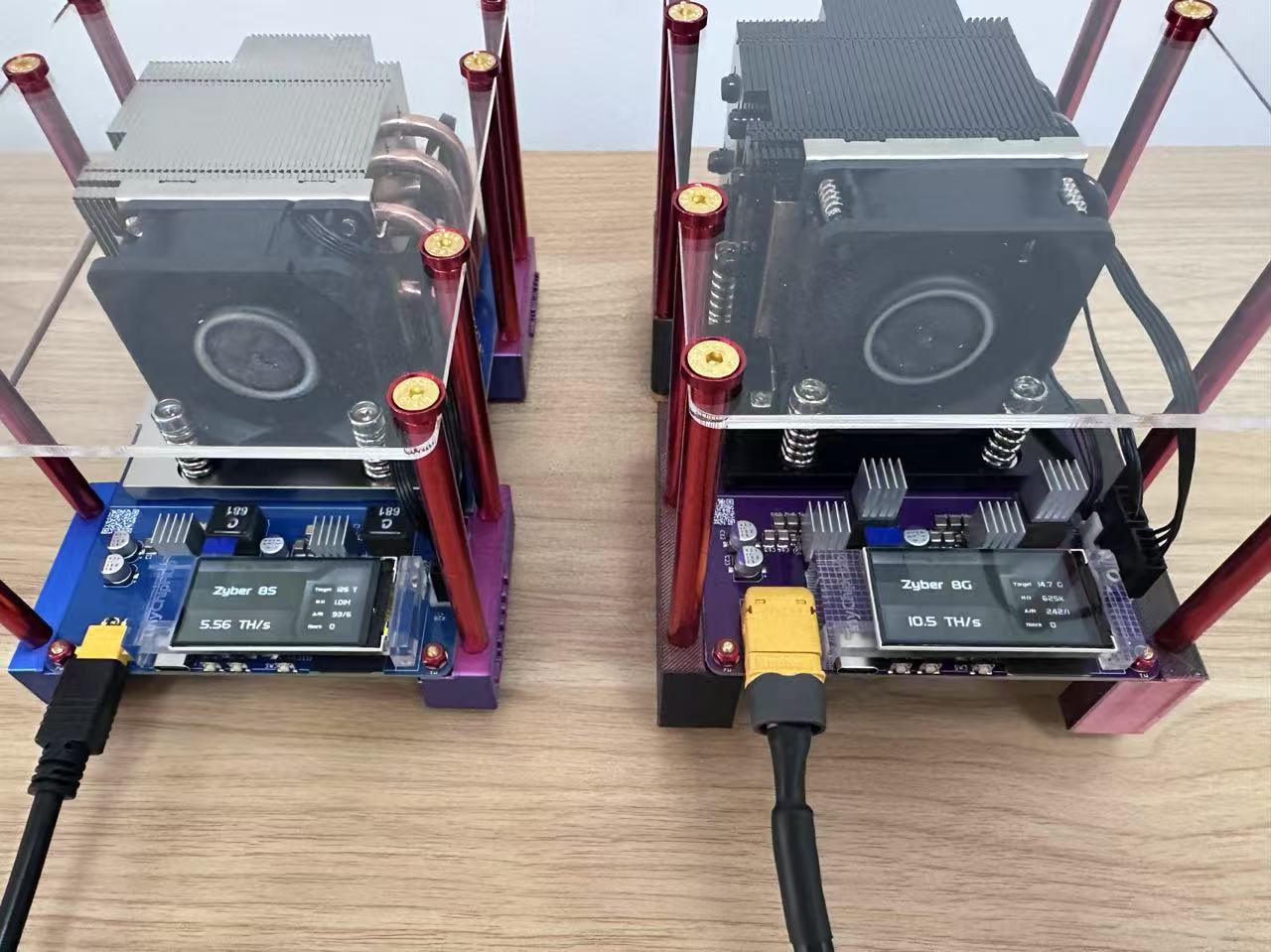
Why does this kind of competition benefit users the most? When manufacturers compete on real capability, what you get is not just a product, but a continuously optimized experience. 🎉 The authoritative journal Nature Energy pointed out in 2024 that technology-driven market competition can increase industry innovation efficiency by 30%. So don't believe the nonsense that "competition is internal friction." Real healthy competition allows every miner to use more reliable tools.
Look at this virtuous cycle: TinyChipHub allocates a portion of profits to the user reward fund → This forces competitors to improve their service standards → The service level of the entire industry rises. Who ultimately benefits? Of course, it's the consumers/miner users. Isn't this much more interesting than a pure price war!!!💪