💡 Tip: The following article data is for reference only. Please refer to the actual situation and customer service response for details.
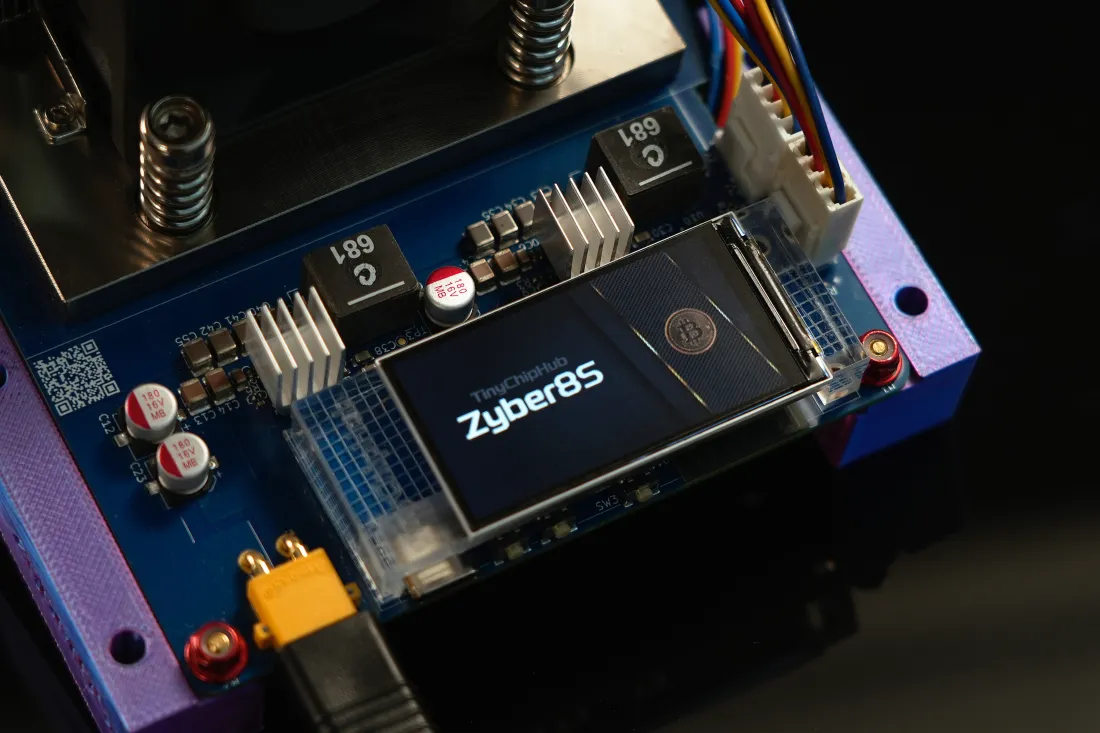
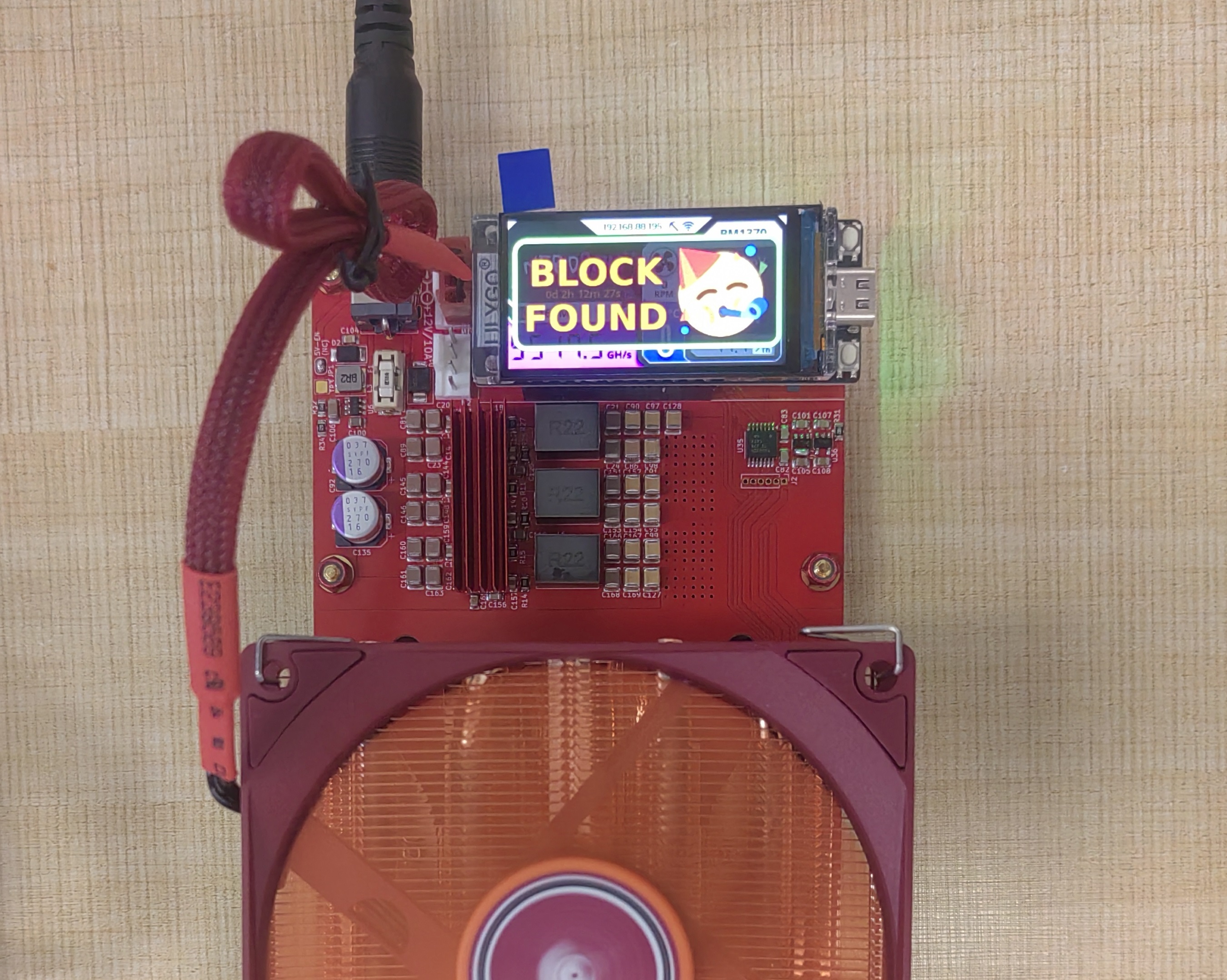
Yes! The NerdQaxe++ Remastered Miner has mined another Block!Tested by TinyChipHub Labs, it proved its solo mining capability by successfully mining an XEC block in the XEC pool, even though it was a close call with a fork!
Remember that expert who mined a full BTC block using just 6 NerdQaxe++ units?! This model seems to come with a Luck Buff, capable of hitting both large and small blocks. The thrill of home mining is the heartbeat sensation of potentially hitting the jackpot any second!
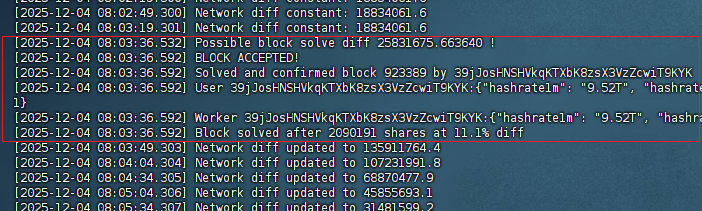
🎉XEC Block Found
This time it mined an XEC block. It's not about getting rich; it's purely a technical self-validation for a home computing power individual. The essence of this event is that a desktop mini miner successfully completed a complex hash collision competition within the global computing power network of the Bitcoin Cash fork chain (XEC) and won the accounting rights. According to block explorer data, this XEC block has a height of #923,389 and contains approximately 115 transactions. The underlying logic is similar to the sense of achievement when you successfully render a complex frame of animation with a high-end graphics card—both represent the perfect delivery of hardware capability for a complex computational task.
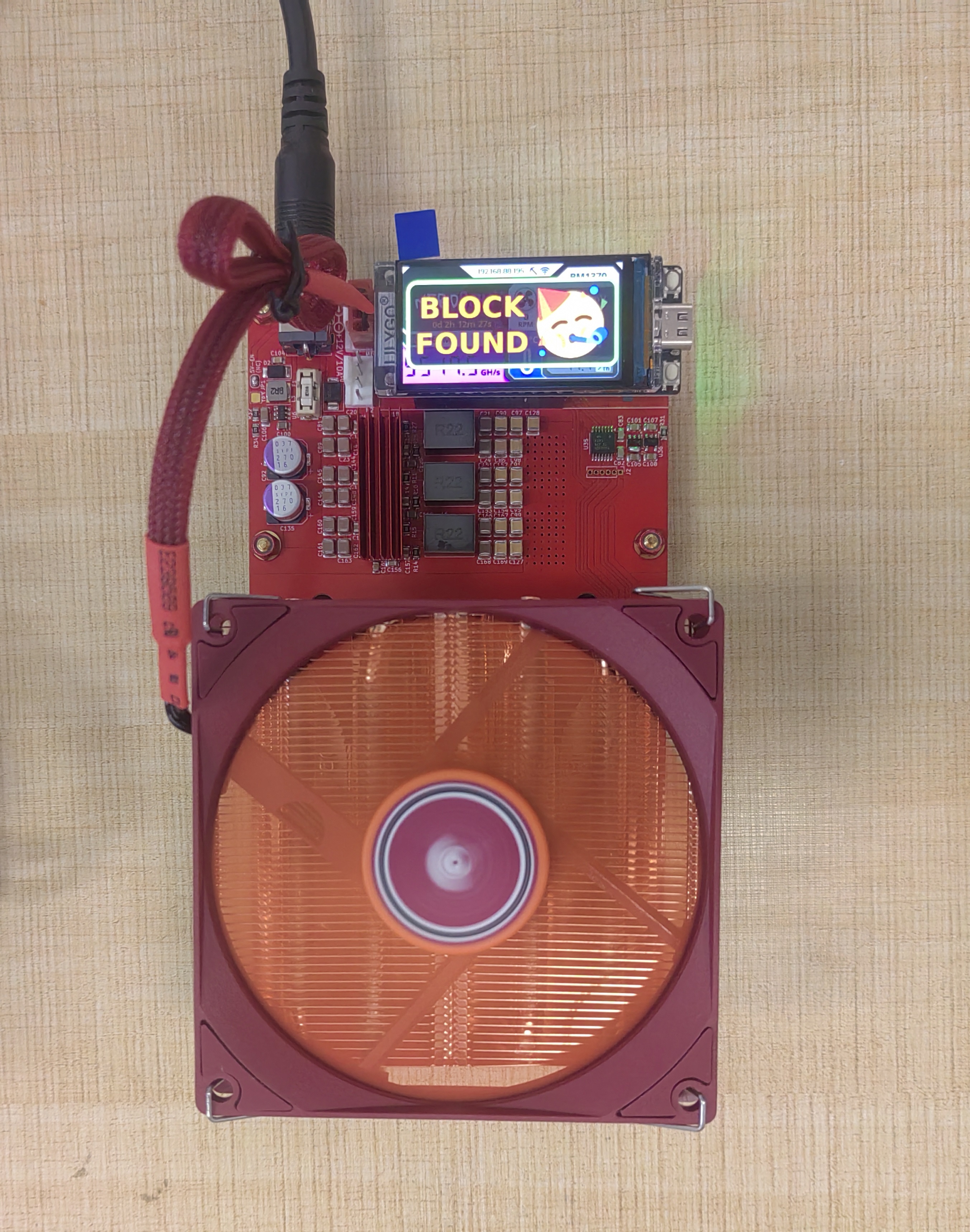
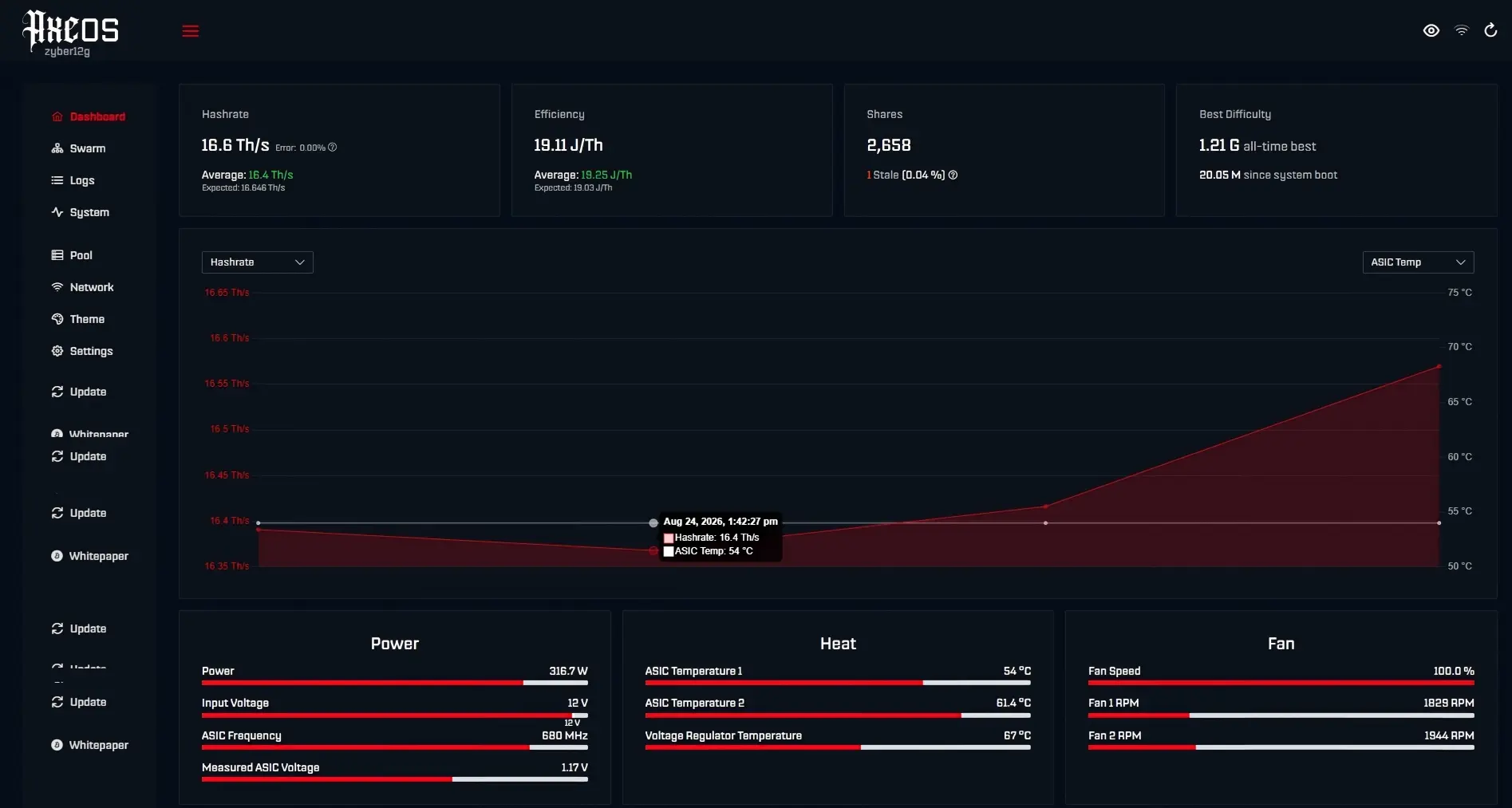
This hit perfectly demonstrates the sustained operational capability of small ASIC miners under specific algorithms (SHA-256 in this case). The hash rate of the NerdQaxe++ Remastered Miner is locked at 5.2 TH/s ±10%, with power consumption controlled at 95W (tested at 25°C room temperature). This data is minuscule compared to mining farms with hundreds of terahashes. But the key point is that it connects to the pool in Independent Node (Solo Miner) mode. This means your device is a frontline soldier directly participating in the block hash calculation, not just a worker contributing hash power and waiting for dividends.
According to the Bitcoin.com pool report in 2023, the average theoretical cycle for successfully mining a block in solo mode is extremely long and demanding on hash rate. But this is precisely the source of the thrill. Every time your device runs, it's directly hitting that lottery button, not waiting for a consolation prize from the pool. Although this was on the XEC chain, its consensus mechanism shares the same origin as BTC. This hit is equivalent to a perfect live-fire exercise, proving the stability of the device's protocol stack and its block-producing potential.
🔥 Simply put: This block hit isn't about the size of the reward. It's like the feeling of accomplishment when you independently complete the final assembly of a Lego Millennium Falcon—that moment of achievement is the core thrill!!!
Luck Buff Stacked Up🍀
Luck is metaphysics, but increasing the probability of luck is solid engineering. Many people think mining a block is purely about chance, but for the device in your hands, the "Luck Buff" is actually a probability increase resulting from the Overlay of multiple technical optimizations. It's like drawing cards: a single draw relies on luck, but mechanisms like a pity system (guarantee) and rate-up events (optimizations) are the hidden rules. The "Luck Buff" of the NerdQaxe++ is hidden in its hardware iterations and firmware strategies.
First, hash rate stability is the basic Buff. This small mining device uses a customized cooling airflow and power supply module for the hash boards to ensure its 5.2 TH/s hash rate fluctuates less than 5% over long periods (e.g., 30 days of continuous operation). According to feedback from multiple user communities, compared to the previous generation, its hash rate standard deviation has been reduced by about 40%. Stability means your "lottery ticket" purchases are consistent and even, preventing you from missing the winning moment due to hardware "slacking off".
Second, low stale share rate is the core Buff. Stale shares are wasted work. By optimizing the local task scheduling algorithm and network communication protocol, this miner can keep the stale share rate below 1% (under network latency <50ms). Don't underestimate this 1%. Over a long mining cycle, it saves you a significant amount of "misfired" hash power, effectively increasing the number of valid lottery draws.
Finally, don't forget the "placement metaphysics"—pool selection. Different pools are like different lottery stations, with slightly different prize pools and "winning" rules. Connecting your device to a "luckier" pool (one that better suits your strategy) is the biggest Buff you can actively apply. This leads to the next key question we need to explore: different mining pools.
📈Different Mining Pools
Choosing a pool isn't like choosing a lottery station; it's like choosing a "game server" and a "team". TinyChipHub's NerdQaxe++ Remastered Miner is top-tier equipment, but joining the wrong pool can lead to a vastly different experience. The core of this choice is balancing the ultimate thrill of instantly mining a block with the steady, continuous feedback. For home miners, I strongly recommend starting with stable feedback, as it provides a constant drip of dopamine, making you feel like the machine is always working.
Mainstream SHA-256 algorithm pools mainly fall into the following categories, suitable for completely different types of people~~
- Large Comprehensive Pools (e.g., Antpool, F2Pool): High global hash rate share, frequent block finds. But your contribution is like a drop in the ocean; the sense of achievement from finding a block is extremely diluted. Suitable for players who want to mine "stealthily" and just quietly accumulate points (rewards).
- Medium/Small or Emerging Pools (e.g., BTC.com, or some regional pools): This is where devices like the NerdQaxe++ might find a "sense of presence". The pool's total hash rate is smaller, so your relative contribution is higher. When the pool finds a block, your contributed shares are more "visible", and the reward you receive better reflects your contribution.
- "Solo" or "Lottery" Mode Pools: This is the ultimate choice for pursuing "heartbeat" thrills. Your device directly competes for blocks. You either get nothing or (theoretically) take the majority of the entire block reward. The recent XEC block hit is similar to a variant of this mode.
How to choose?
| Pool Type | Expected Block Find Frequency | Reward Feedback Frequency | Technical Skill Required | Mindset Required |
|---|---|---|---|---|
| Large Pool | Very High (every few minutes) | Settled hourly/daily | Low | Stable |
| Medium Pool | Medium (every few hours) | Settled daily | Medium | Patience |
| Solo Mode | Very Low (luck dependent) | Lump sum upon block find | High | Strong Resilience |
According to Braiins' "Mining Pool Transparency Report" released in 2023, choosing a pool with transparent fees, low rejection rate (<1%), and servers geographically close (network latency <100ms) is the foundation for a good experience. For example, if you are in Asia and connect to a European server with a latency of 300ms, your stale share rate might soar above 5%, effectively negating your "Buff".
💡 Action Guide: Start by "practicing" with a medium-sized pool to get a feel for stable income. Once you're comfortable, use another device to "buy thrills" in a Solo pool. Operate on two fronts for double the fun.
Worth a Try💫
Is it worth a try? It depends on whether you define the NerdQaxe++ as a "toy", a "tool", or a "lottery machine". Its value lies not in a financial return calculator, but in the degree of your desire to "master a cutting-edge technology". From a "toy" perspective, it offers a unique, low-barrier opportunity to engage with the core operations of the Bitcoin network. You can see the hash rate fluctuate with your own eyes, configure pool parameters yourself, and personally experience the server push notification of a "block found"! This sense of participation is something that cloud mining or fund investments cannot provide.
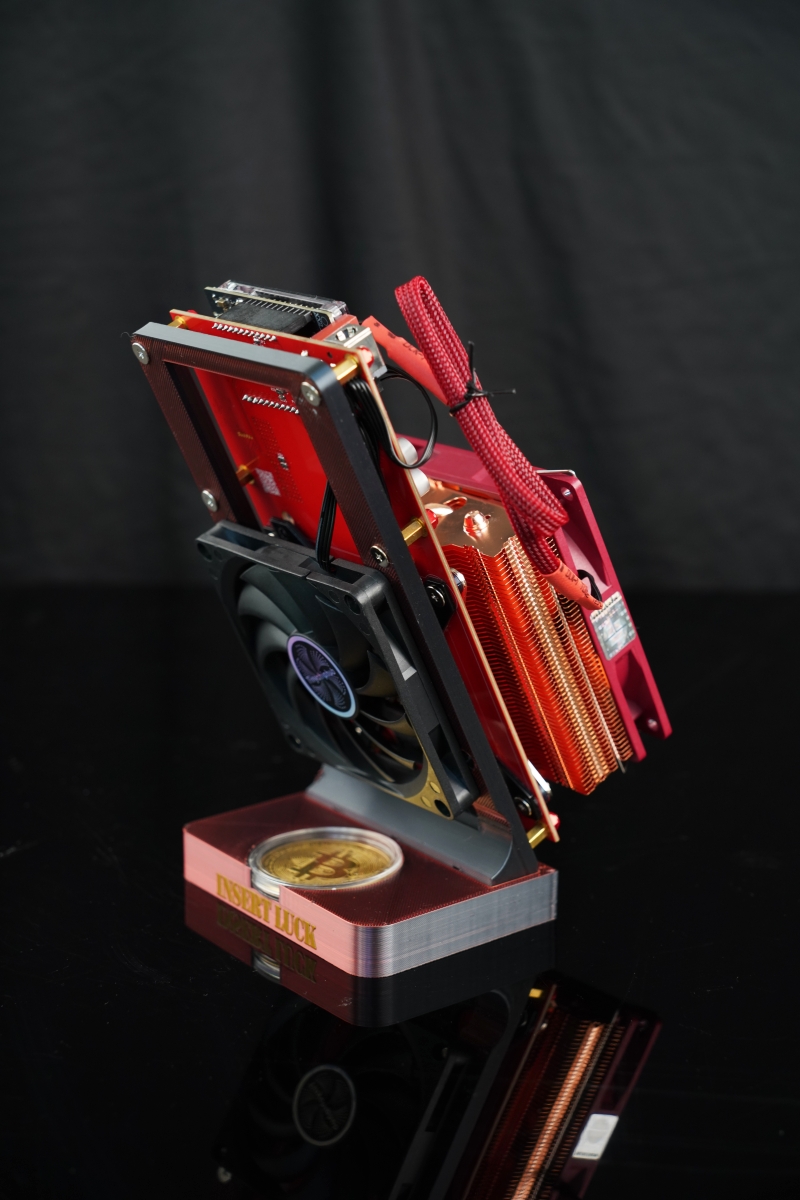
From a technical tool perspective, it is an excellent teaching instrument for the SHA-256 algorithm and a network testing terminal, focused on a single computational task. You can use it to deeply learn about blockchain, cryptography, network communication, and hardware cooling.TinyChipHub Labs learned more about networking in one week of debugging this miner than from six months of textbooks.
Of course, we must face practical limitations. Its noise level is about 45 decibels (measured from 1 meter away), equivalent to the volume of a conversation in a library, requiring a reasonable placement location. It requires basic networking knowledge to configure the router and set a static IP. Furthermore, choosing home mining means you voluntarily become a micro-node in the global decentralized network. This sense of "responsibility" and "participation" is the core of its spiritual value.
- Ask yourself: Am I intensely curious about understanding the underlying technology of blockchain?
- Ask yourself again: Can I accept it as a high-tech toy that produces "uncertain digital output" and bear its electricity and noise costs?
- Finally confirm: Do I enjoy the process of hands-on configuration, optimization, and derive pleasure from it?
If the answers are mostly "yes", then the NerdQaxe++ Remastered Edition is definitely worth a try. It doesn't guarantee "wealth", but it promises a unique journey filled with technical challenges and occasional surprises. Its value is ultimately defined by you: it lies not only in that occasionally hit BTC block, but even more in every focused night you spent debugging it to its optimal state before the hit. 🚀