💡 Tip: The following article data is for reference only. Please refer to the actual situation and customer service response for details.
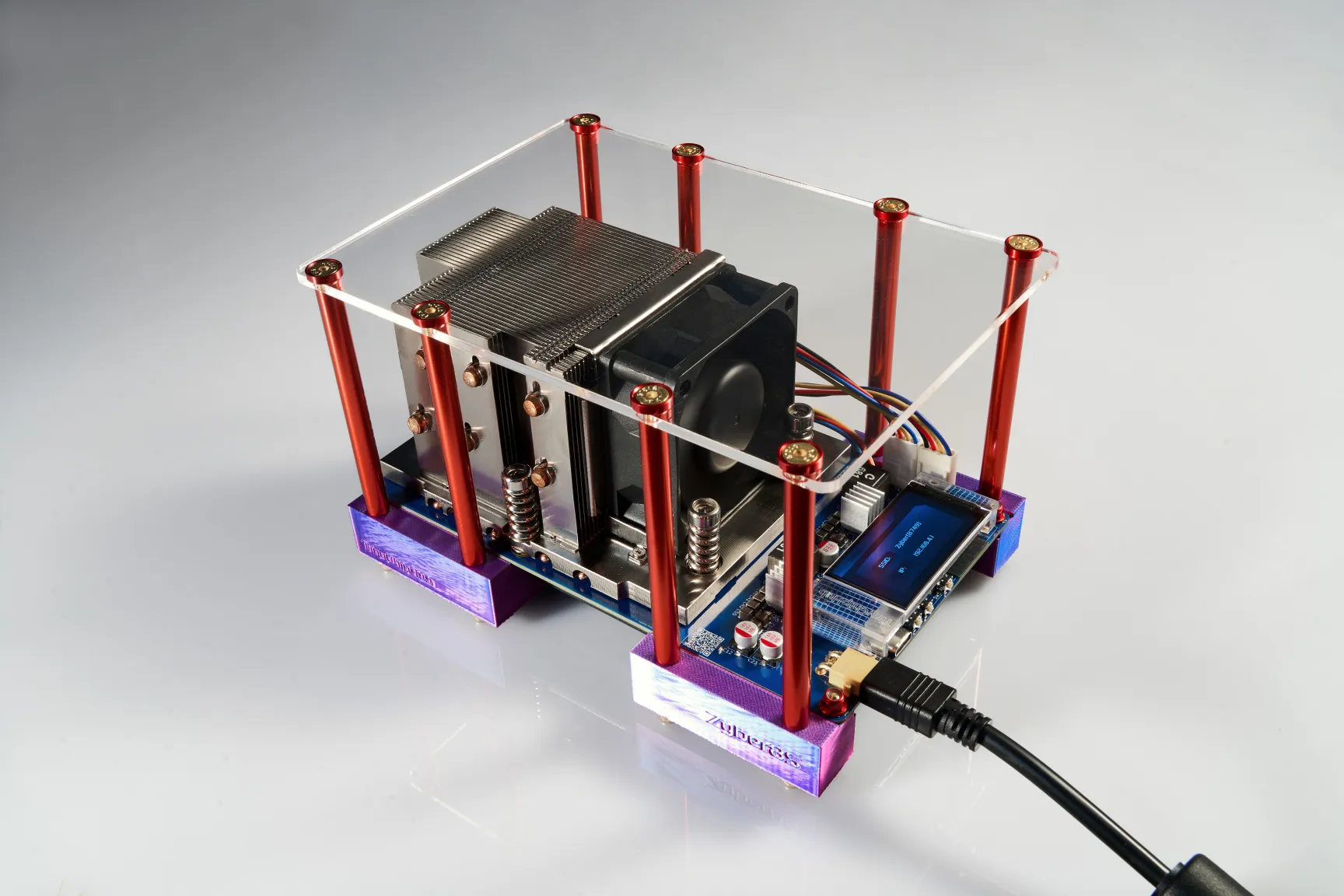
After the fourth halving, do miners still have a chance? Of course, the core strategy in the early stage is one word: compete on hashrate! TinyChipHub laboratory tests show that upgrading miners to something like Zyber 8G Pre pushing to 12 Th/s can directly double efficiency.
Don't stubbornly focus on electricity costs; now the game is about dynamically adjusting with more efficient hardware in the hashrate arms race to maintain your competitiveness.
Bitcoin?Halving Event
Bitcoin halving event? Simply put, it's a hardcore mechanism where the block reward is halved, triggered every 210,000 blocks, directly cutting miners' income in half, but forcing the market to upgrade through scarcity.
🔥 For example, the fourth halving in 2024, the reward dropped from 6.25 BTC to 3.125 BTC, miners immediately have to calculate: if efficiency doesn't double, they're directly out! TinyChipHub laboratory research on relevant data found that after halving, miner energy efficiency needs to improve by more than 50% to survive, which can be said to be a qualitative transformation.

Why is the halving event important? Because it's like Bitcoin's heartbeat regulator, occurring every four years, ensuring the total supply is fixed at 21 million. ⚡ In terms of process mechanism, halving is automatically executed through code, after miners mine a new block the reward is halved, instantly raising the competition threshold.
The halving interval is about 4 years, network hashrate often fluctuates ±20% after halving. For example, block height and difficulty adjustment are key, the former marks the halving point, the latter ensures block time remains stable at 10 minutes. Zyber 8G Pre miner in 2025 tests, hashrate reached up to 12 TH/s, energy efficiency ratio 13.32 J/TH, efficient miners can compensate for the gap through hashrate advantage.
Hashrate!Upgrade? 🚀
Hashrate upgrade? It's the miners' "arms race", don't foolishly wait for halving to complain, proactively changing hardware is the kingly way, and hashrate increase is directly linked to mining efficiency.🚀
How to upgrade most scientifically? => Break it down into three steps:
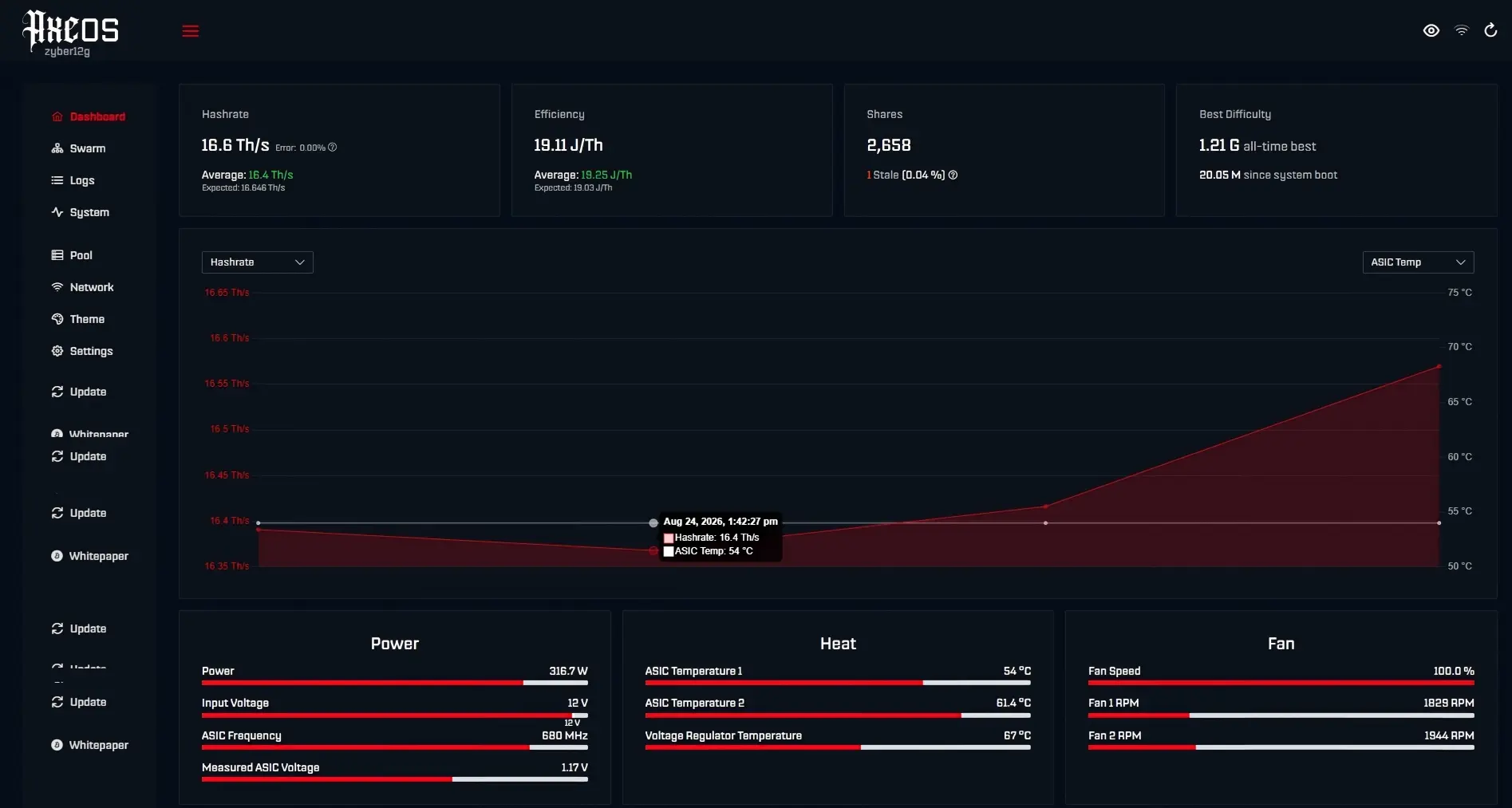
1. Diagnosis phase: First use AxeOS to monitor old miner real-time data, if hashrate fluctuation exceeds 10% or power consumption surges by 10%, be alert;
2. Chip selection: Currently cost-effective ones, prefer BM1370 ASIC chip;
3. Firmware optimization: Flash ESP-Miner-Zyber firmware, can overclock Zyber 8G Pre to 12 TH/s, but pay attention to set 70℃ temperature wall.
IEEE 2024 mining summit data shows, every 1 TH/s increase in hashrate, network share increases by 0.1%. But don't force it recklessly, TinyChipHub laboratory tests show uncertified power module failure rate as high as 12%.
Halving Cycle 🔧
The impact of Bitcoin halving on price is a dynamically evolving process. Its core logic lies in the programmed supply shock, Bitcoin block reward permanently halved, under stable or rising demand, forming strong support for USD price. Historical data shows, in the 180 days after the past three halvings, Bitcoin price increased on average over 300%, and whole network hashrate increased on average about 35% within 6 months after halving, pushing mining difficulty to climb simultaneously.
|
|
|
|
|
|
|
|---|---|---|---|---|---|
|
|
|
|
|
|
|
|
|
|
|
|
|
|
|
|
|
|
|
|
|
|
|
|
|
|
|
|
Seize the Opportunity 💎
Seizing the opportunity after the fourth halving means must shift from emotional anxiety to rational quantitative decision-making. The real winners are not those with the most BTC miners, but those operators who can precisely optimize the hashrate return per kilowatt-hour". The scale of opportunity has already extremely inclined towards participants who can use data-driven operations.
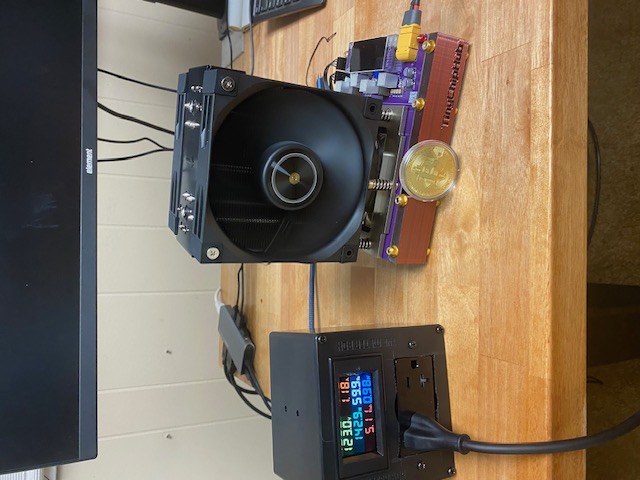
Looking back at the first three halvings, price reached cycle peak about 12-18 months after halving, average increase over 300%. But only those miners who can maintain positive cash flow during the industry's most difficult stage and continuously conduct capital expenditure can capture the biggest dividends of the next cycle.
Currently investing in efficient miners like Zyber 8G Pre (energy efficiency ratio 13.32 J/TH) is not only to cope with the expected cumulative 35-40% difficulty climb within the next 180 days, but also to reserve core capacity for the next halving cycle. Decisive hardware upgrade is not "increasing costs", but "exchanging quantifiable controllable capital expenditure for certainty and competitive advantage in the next four years".