💡 Tip: The following article data is for reference only. Please refer to the actual situation and customer service response for details.
Of course, the era of GPU mining is over! ASIC mining and GPU mining are now two different things; the former emphasizes high efficiency, with computing units designed for a single algorithm, while the latter is more versatile and flexible. For ASIC miners, we usually refer to small miners used for solo mining as lottery miners because the probability of winning is low, comparable to winning a lottery.
Pirated Miner?🚫No Warranty
💪So-called pirated miners are essentially unauthorized hardware black boxes that have been modified or refurbished without brand certification. The most critical issue with such mining machines is zero warranty. Formal channels for ASIC Miners, such as TinyChipHub products, typically offer at least one year of official warranty, and some distributors may extend it to 2-3 years.
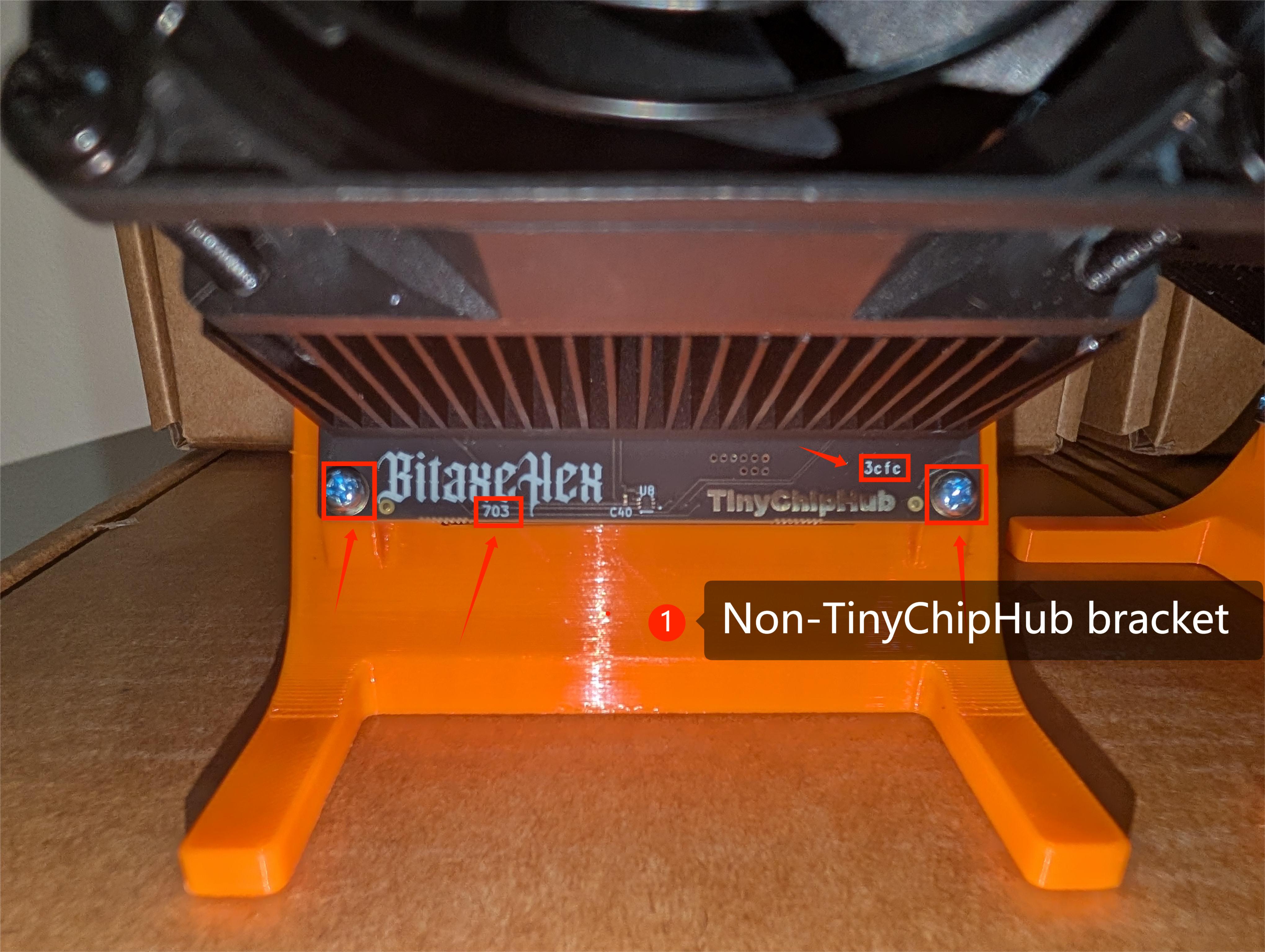
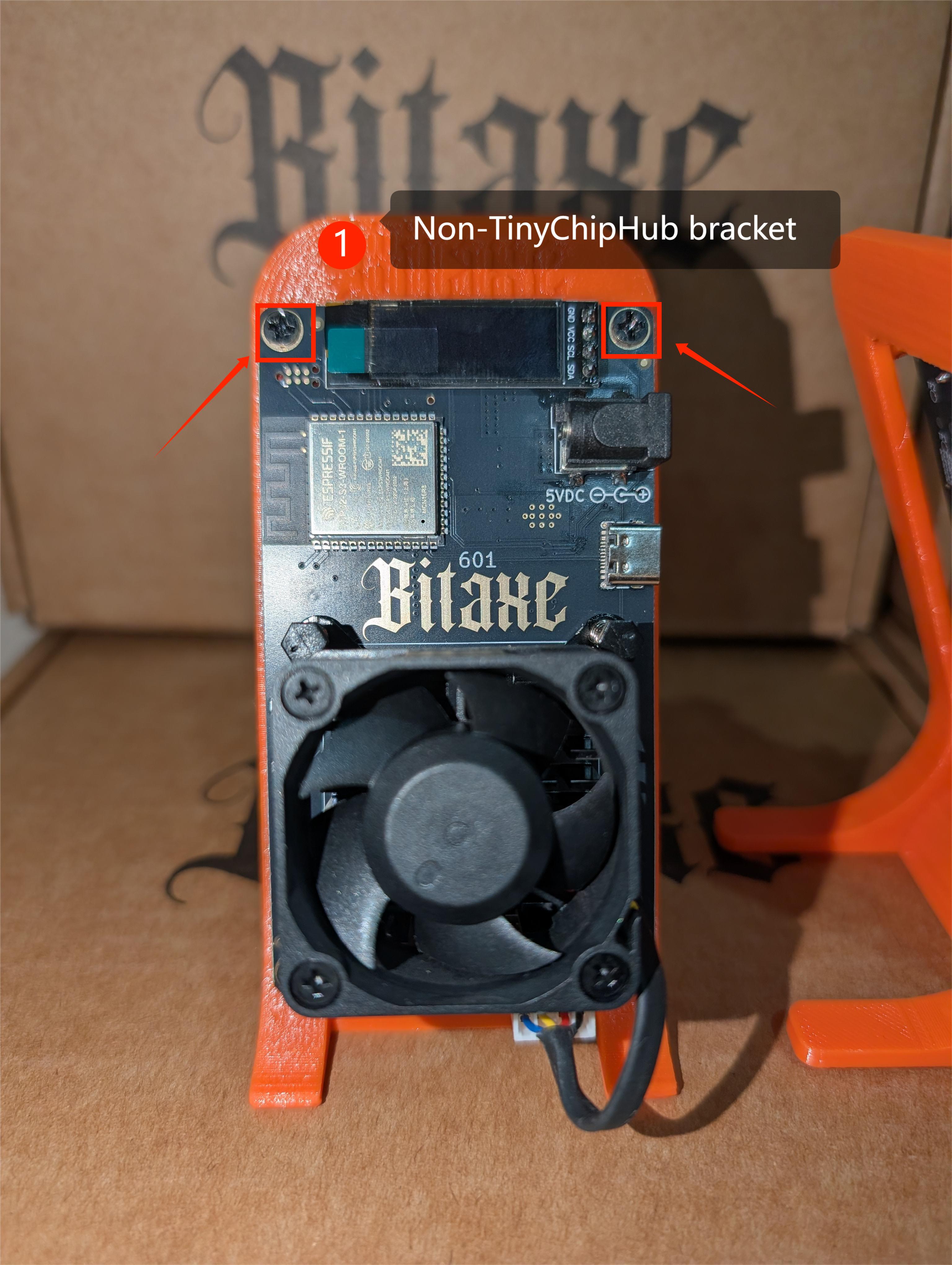
If the motherboard of such a pirated machine burns out, you won't even have a repair address to send it to, especially on third-party platforms where you need to verify in advance. According to Silicon Lottery's 2023 statistics, the failure rate of modified miner motherboards is as high as 22%.
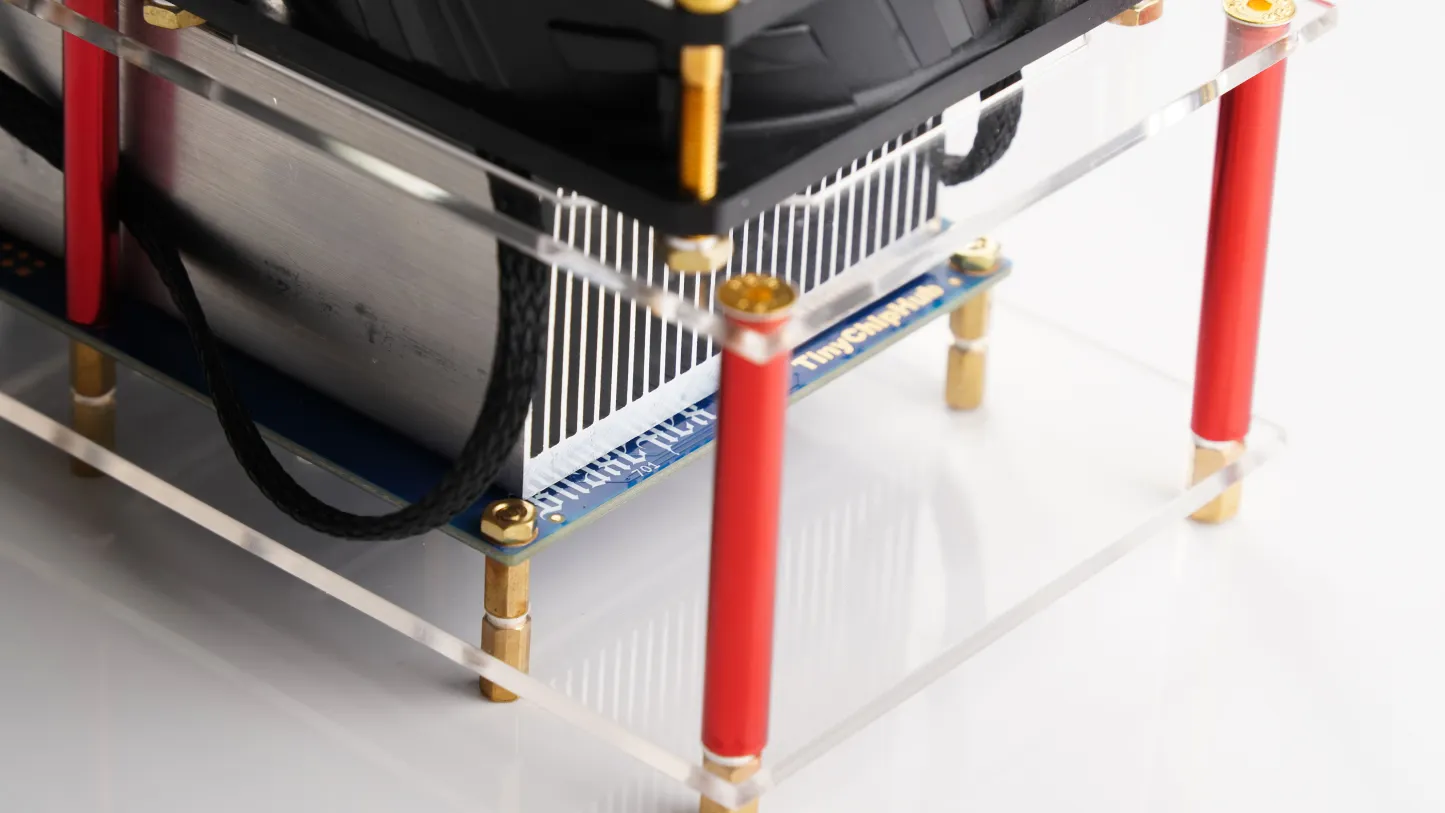
- TinyChipHub authentic Bitaxe Gamma 601 uses 🔴red and yellow🟡 screws!
- TinyChipHub has never released Bitaxe Supra Hex 703, only version 702! 🚫 7️⃣0️⃣3️⃣
- The authentic Bitaxe Supra Hex 702 motherboard only has code 3️⃣0️⃣3️⃣, no "3cfc" marking, and the screws are also red🔴 and yellow🟡!
If the home miner you purchased does not match the above description, it is a counterfeit product and ❌ not covered by warranty! ✨What does this mean? Once any official party identifies that specific markings have been modified, they will immediately deny warranty service. Moreover, these mining machines often run overclocked or at unstable voltages, and their lifespan may be only 60% of that of authentic machines.
- Firmware backdoor: Hash rate may be secretly directed to unknown mining pools; you might be mining for someone else!
- Cooling disaster: In pursuit of lottery-like high hash rates, fans run at full load for long periods, with noise comparable to an airplane taking off.
- Power supply killer: Peak power consumption fluctuations can reach ±30%, posing a hidden risk to home circuits.
🔥Key reminder: In March 2024, the North American Consumer Rights Organization FTC explicitly warned that using mining equipment without FCC/CE certification may lead to home insurance denial if it causes fires or circuit accidents.
🎰 Bitcoin Lottery? ASIC Miner?
The concept of Bitcoin lottery is essentially a marketing tactic that packages the inherent hash rate fluctuations and luck factors of ASIC miners as a core selling point. But true ASIC mining is a technology-driven deterministic game, not a lottery draw.
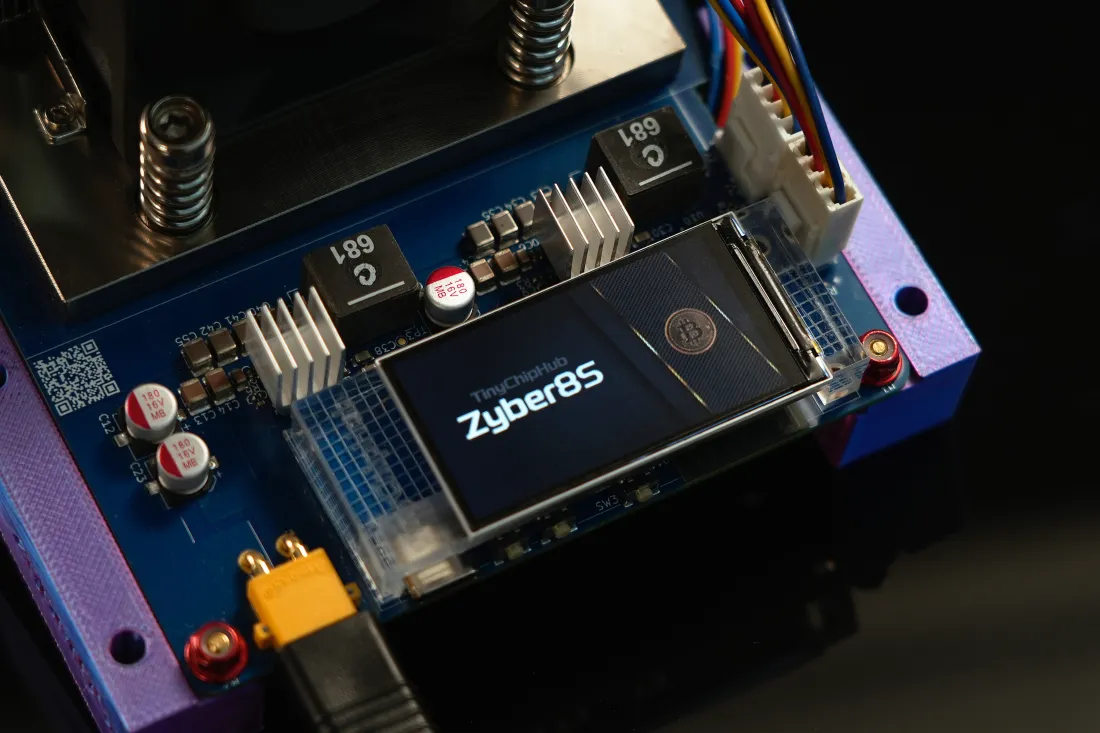
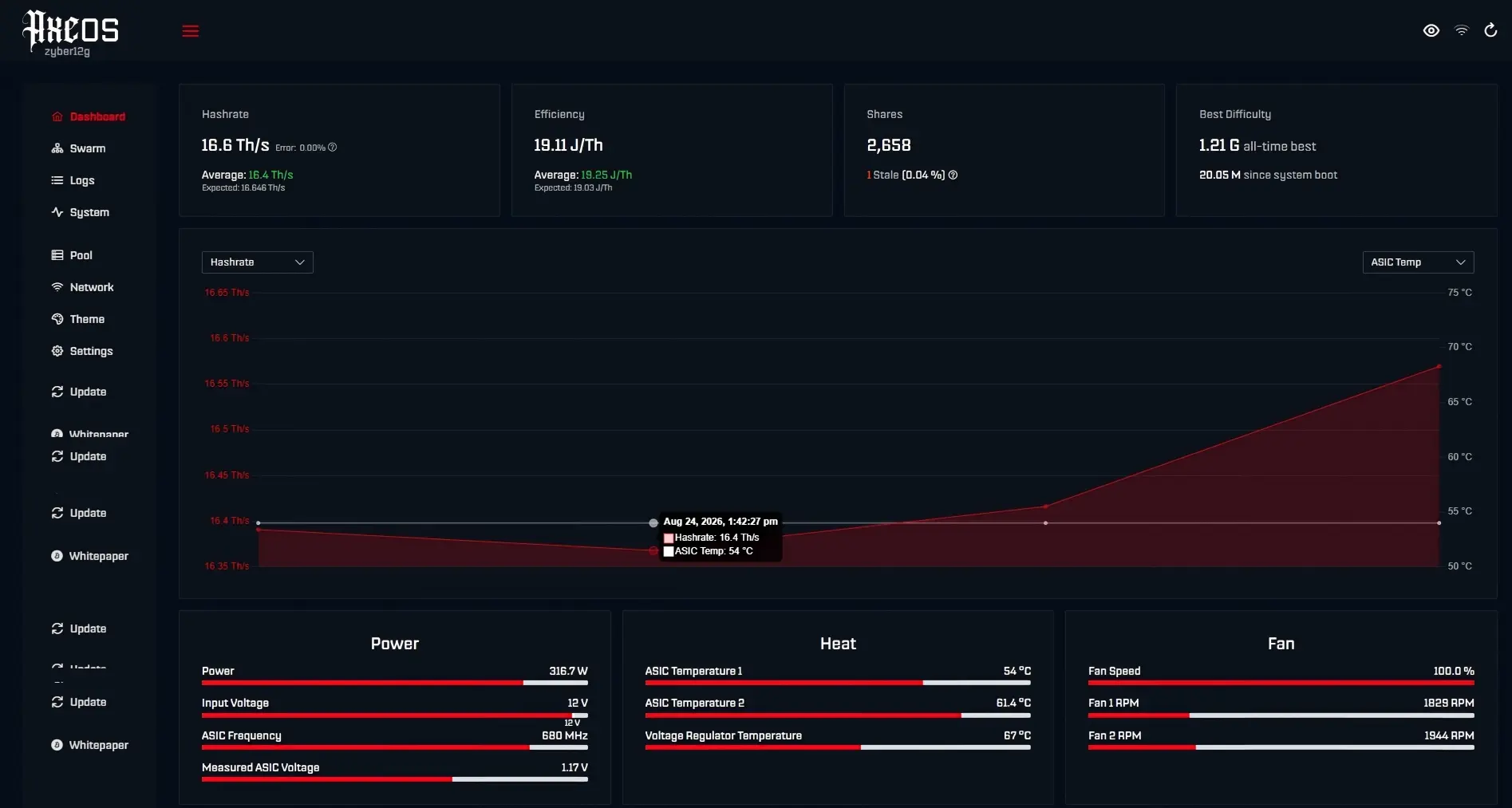
Let's break down its mechanism. A standard ASIC miner (such as Zyber 8G) has a relatively stable hash rate range, for example, overclocked to 12TH/s with fluctuations typically within ±3%. In contrast, the operation mode of a lottery miner is: the machine you buy may have a base hash rate of only 10TH/s, but it solo mines to achieve decentralization. It is not hired but works solely for itself.
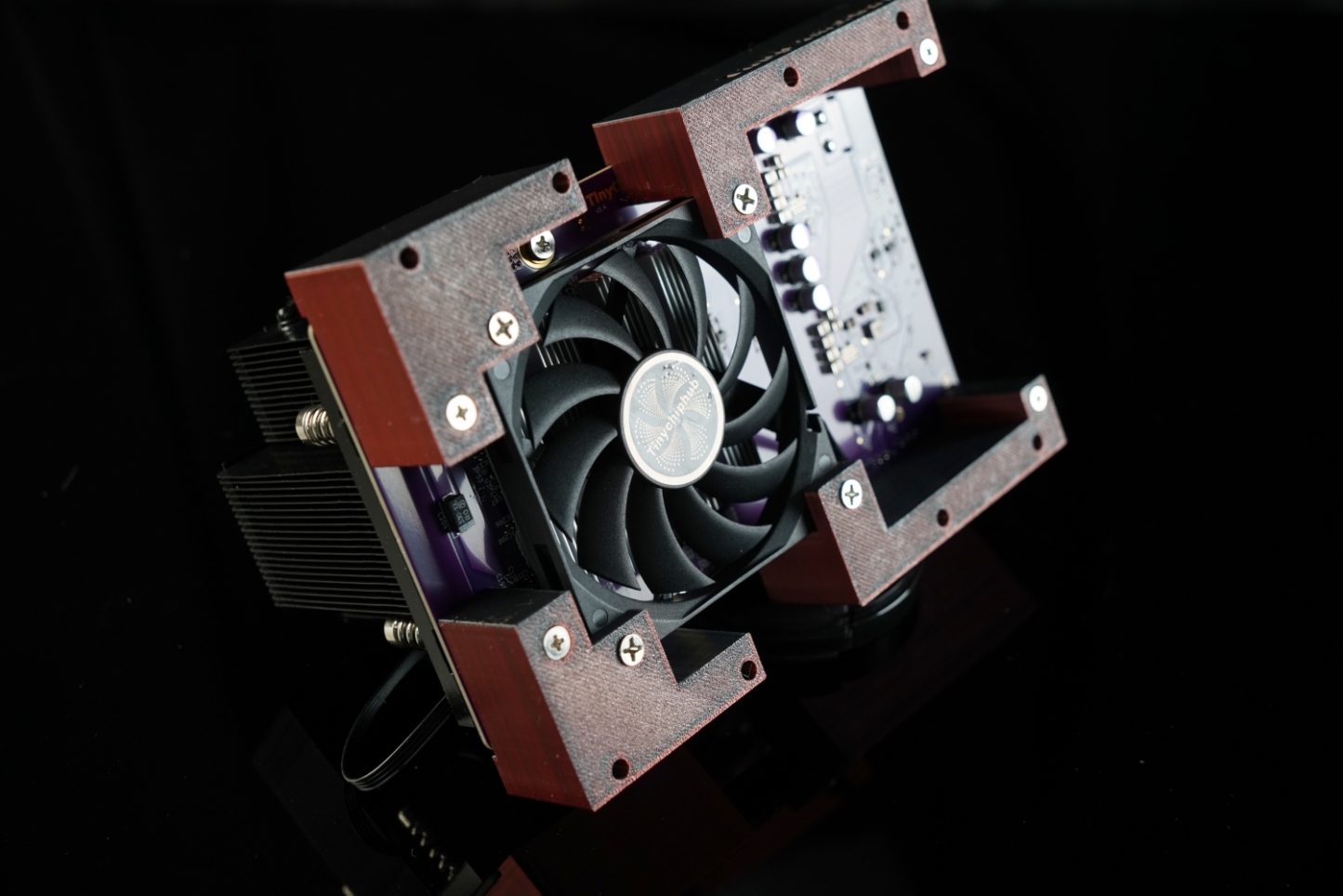
Although comparing Bitcoin mining to a "lottery" is hard to understand, ASIC miners are indeed more like machines that print one lottery ticket every 10 minutes, rather than having you randomly buy one at a convenience store. Their core value lies in converting hash rate output into continuous, predictable digital prints. This is vastly different from your experience with GPU mining. GPUs are more like all-rounders—they can render games today, run AI models tomorrow, but mining is just a side job. According to Crypto Miner Blog's testing in the first quarter of 2024, when running algorithms, GPU hash rate fluctuations can reach ±15%, entirely depending on how much capacity the GPU allocates to the task, as it must also accommodate other model operations, resulting in low efficiency!
Compared to GPU Miner⚖️
Comparing ASIC miners and GPU miners is like pitting a purely modified high-performance race car with nitrous oxide boost against a fully equipped family Tesla on a racetrack—determining which is more suitable for reaching the finish line is not even the same dimension of game.
First, the goals are entirely different. The core advantage of GPU mining (referring to mining other PoW cryptocurrencies) is flexibility and controllability. Your GPU can mine BTC today, render videos tomorrow, and run AI models the day after. In contrast, ASIC miners, also known as lottery mining machines, are dedicated circuits for Bitcoin mining; they can do nothing except mine BTC (or its fork chains), making it easier to achieve maximum efficiency. This is a contest between a multi-purpose tool and a specialized tool.
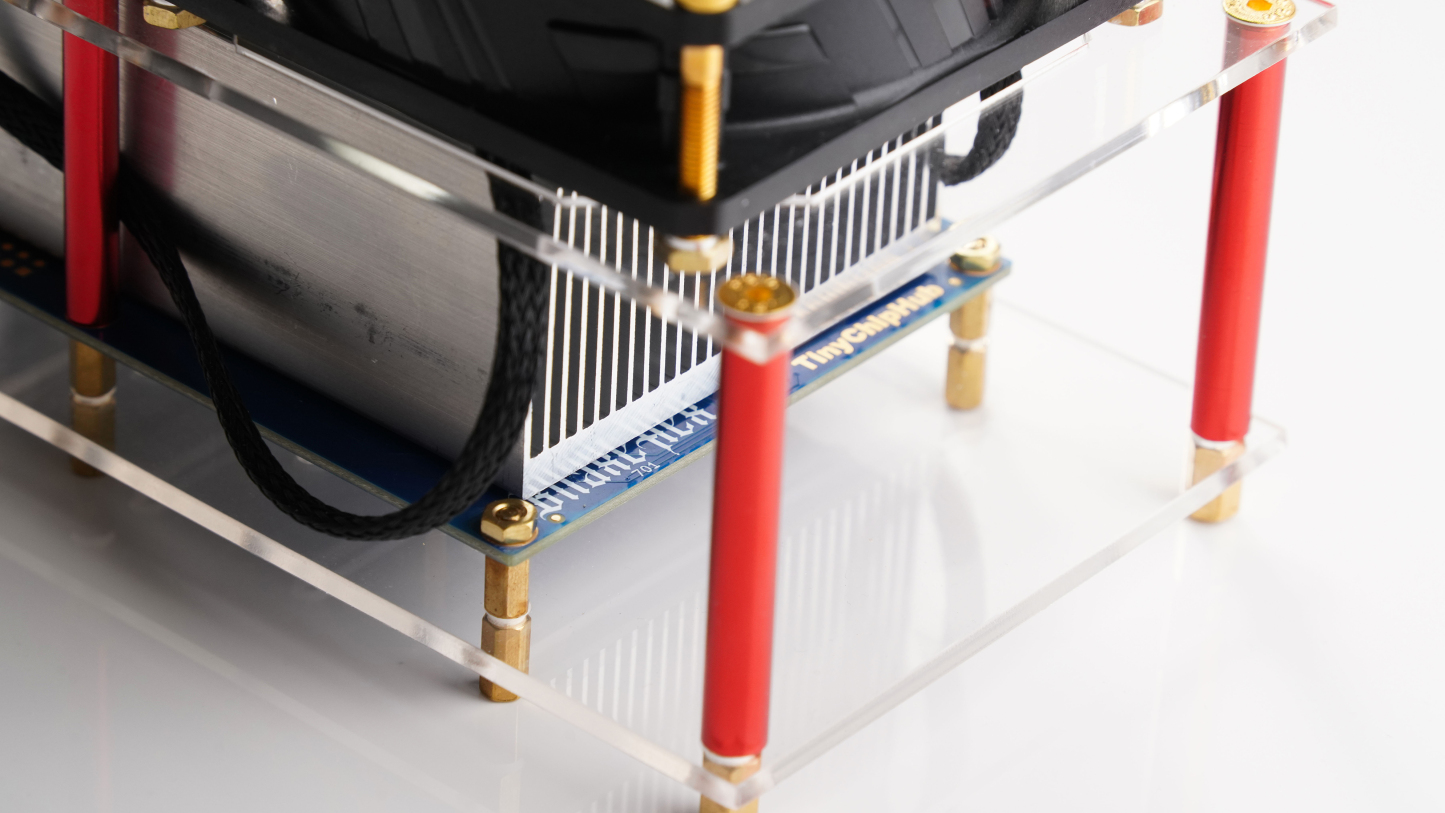
From a technical parameter perspective, we focus on two key points: energy efficiency ratio and noise. Compare a home miner (assuming peak hash rate of 10TH/s) with a GPU miner!
- 💡 Energy Efficiency Ratio (J/TH or J/MH): BTC Miners may achieve 20~40 J/TH at peak, but with huge fluctuations; whereas GPUs stabilize at about 0.3~0.6 J/GH. The intuitive feeling is that GPUs have smoother, more predictable power demands for households.
- 🔊 Noise pollution: ASIC miners, to suppress overclocking heat, often run fans at over 5000 RPM, with noise levels exceeding 45 decibels, equivalent to constant white noise (which can be optimized and reduced). GPU miners, through custom airflow and speed reduction, can be controlled below 40 decibels, making them quieter overall.
More critically, the exit mechanism. When you want to quit, a set of GPUs won't be bought by anyone on eBay or local markets because their energy consumption is essentially drained after mining, making them hard to reuse. However, a lottery ASIC miner, in the eyes of professional miners, if modified to run 24/7 without failure, is the easiest to sell! The core of BTC mining comparison is not "which is more versatile" but "which is better at computing". GPUs only give you a steering wheel and multiple road choices, while "lottery ASICs" give you a one-way ticket to 3.125 BTC!
💪Realistic choice: If your garage has an existing 220V circuit, the deployment cost of a small ASIC miner is actually lower than assembling a GPU mining rig, which requires custom racks, additional switches, etc.
✅ Rationality => Participation
The prerequisite for rational participation is to treat mining as a technical hobby and a practice of supporting network security, rather than purely gambling on a lottery. For home miners, the correct approach is not to chase unstable "lottery hash rates" but to build a stable, controllable, and compliant small hash rate node.
If you still have an obsession with Bitcoin mining, here is the rational participation path I recommend!
- Start with compliant official miners: Choose different series launched by TinyChipHub (e.g., Bitaxe Supra Hex 702), which are mature models extensively validated by the market with open-source firmware.
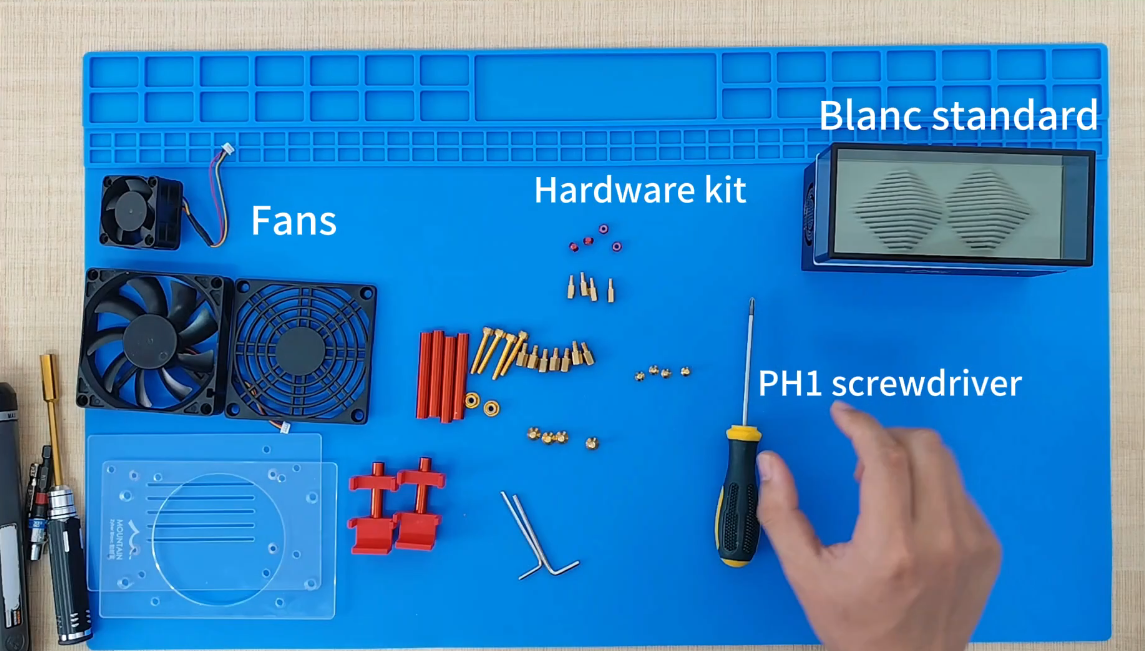
- Learn about mining-related knowledge: The core of mining is actually noise reduction and heat dissipation. This process itself is like assembling a high-performance computer, full of hands-on fun.
- Join compliant mining pools and focus on contribution: Choose pools like Poolin or ViaBTC that support transparent "contribution value" queries. Your goal is not just to "win" a block but to steadily submit hash rate shares and watch your "hash rate proportion" in the pool steadily rise—this cumulative sense of achievement is different from the thrill of a "lottery draw".
According to the Bitcoin Clean Energy Initiative's 2023 report, home miners in North America who use compliant equipment and participate in green energy mining plans have 300% higher operational stability than those using non-standard equipment. Behind this is the full advantage of community support, firmware updates, and hardware maintenance. Rational participation means you clearly know that every joule of hash rate you run is maintaining the security of the Bitcoin network in a verifiable way.