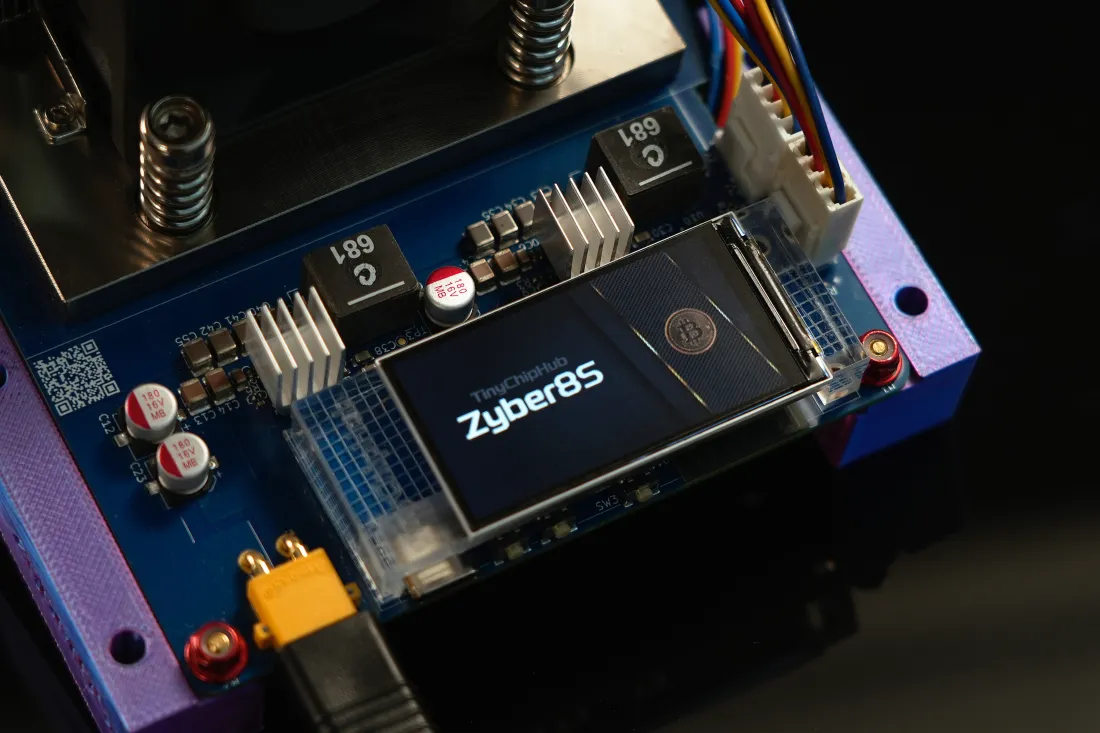
Hola, soy Aaron — Co-fundador y CTO de TinyChipHub. Y antes de empezar, déjame contarte quiénes somos.
Hay un montón de empresas mineras por ahí, ¿verdad? La mayoría son fábricas gigantes que solo sellan cajas. Nosotros no somos eso. Realmente diseñamos y desarrollamos nuestros propios productos desde cero — hardware, firmware, refrigeración, todo el stack. No solo ensamblamos. Creamos.
Así que cuando hablo de un capacitor, no estoy leyendo de un manual. Estoy compartiendo una experiencia que viví a las 2 a.m. en el banco de trabajo, cambiando componentes, probando qué sobrevive y qué explota. TinyChipHub no es una máquina de hacer dinero dirigida por ejecutivos de traje. Somos un garaje lleno de ingenieros apasionados que aman construir cosas que duran.
Y hoy quiero quitarle el telón a todo esto — para que veas qué hay dentro de tu minero, detectes los trucos baratos y entiendas por qué somos un poco obsesivos con nuestras piezas.
Para ver el video completo, haz clic aquí para ir al canal de YouTube.
1、El Pequeño Soldado que Sigues Ignorando
Esa caja que zumba en tu garaje no es una impresora mágica de dinero. Es un campo de batalla de potencia, calor y un soldado diminuto que la mayoría nunca mira — el capacitor. ¿Capacitores malos? Tu minero crashea, tu tiempo activo cae y alguien en tu casa grita porque el WiFi se cayó otra vez.
Primero, ¿qué demonios hace un capacitor?

Imagina una torre de agua. La electricidad de tu PSU no es un río tranquilo — es más como un borracho con una manguera contra incendios.
El capacitor es la torre. Almacena los picos, los suaviza y le da a tus chips ASIC un trago estable y agradable.
¿Sin capacitor o uno barato? Tus chips beben energía sucia, llena de picos.
Resultado: más errores, más calor, vida útil más corta.
2、La Trampa del Whisky: Por Qué "Rojo" No Significa Premium
Ahora, aquí hay una trampa en la que caen hasta los compradores experimentados: juzgar capacitores por el color.
P: ¿Sabes cómo algunos eligen whisky?
R: Ven un líquido ámbar oscuro y piensan: 'Oh, debe ser de 18 años, tiene que ser premium'. Pero el sucio secreto es que las destilerías pueden echarle colorante de caramelo para que un whisky de 3 años parezca una obra maestra de 25.
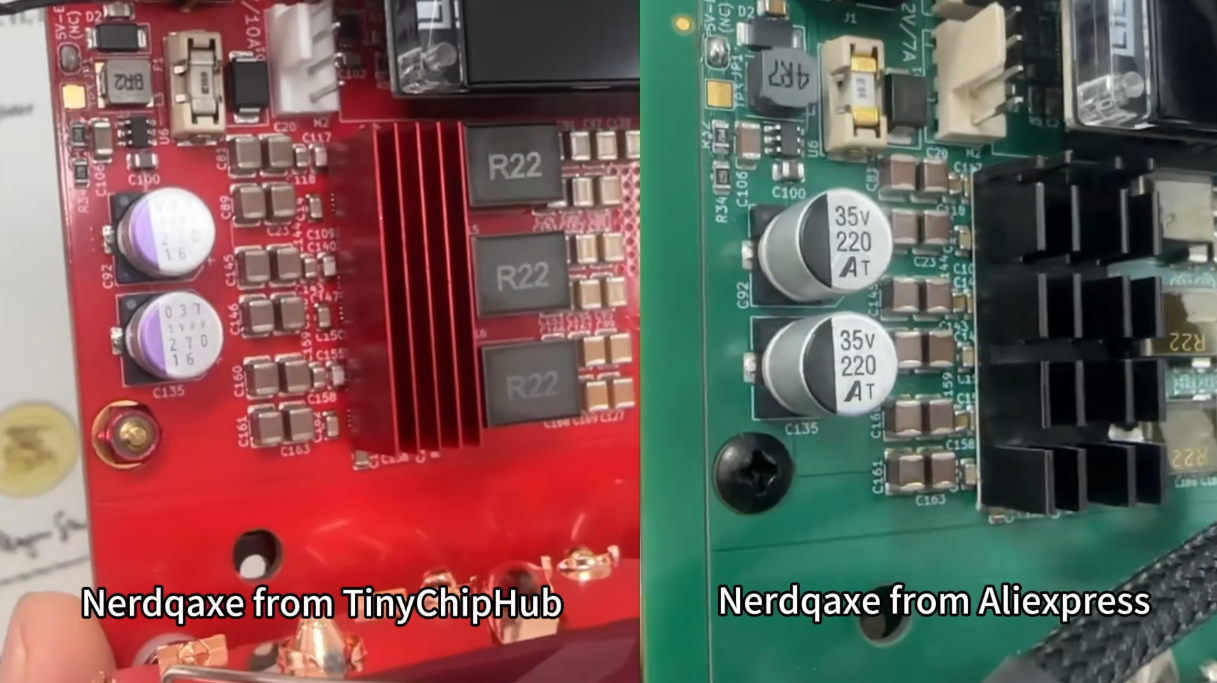
Los capacitores son iguales. ¿Funda roja? Debe ser un capacitor sólido de gama alta, ¿verdad? Mal.

Algunos fabricantes toman capacitores electrolíticos líquidos baratos, los envuelven en fundas rojas o doradas elegantes y los llaman "capacitores sólidos". Es colorante de caramelo para electrónica.
¿Cómo diferenciar el real del falso?
No mires el color — mira la parte superior.
- Los electrolíticos líquidos tienen un respiradero en forma de K o cruz grabado profundamente en la parte superior. Cuando se calientan, se inflan y expulsan una baba marrón.
- Los sólidos reales tienen la parte superior plana, quizás un surco superficial, pero sin ranura profunda. Porque no hay líquido que ventilar.
- En TinyChipHub, cada capacitor es polímero sólido genuino. Topes planos, siempre. Sin respiraderos, sin drama. No le ponemos colorante de caramelo.
3、3 Reglas Infalibles para Juzgar un Capacitor
Siguiente pregunta: ¿más capacitores = mejor? No siempre.
Una placa hash con 50 capacitores en paralelo parece robusta, pero si cada uno es basura de 85℃ sin marca, acabas de construir una bomba de tiempo.
Así es como lo juzgamos: tres cosas.
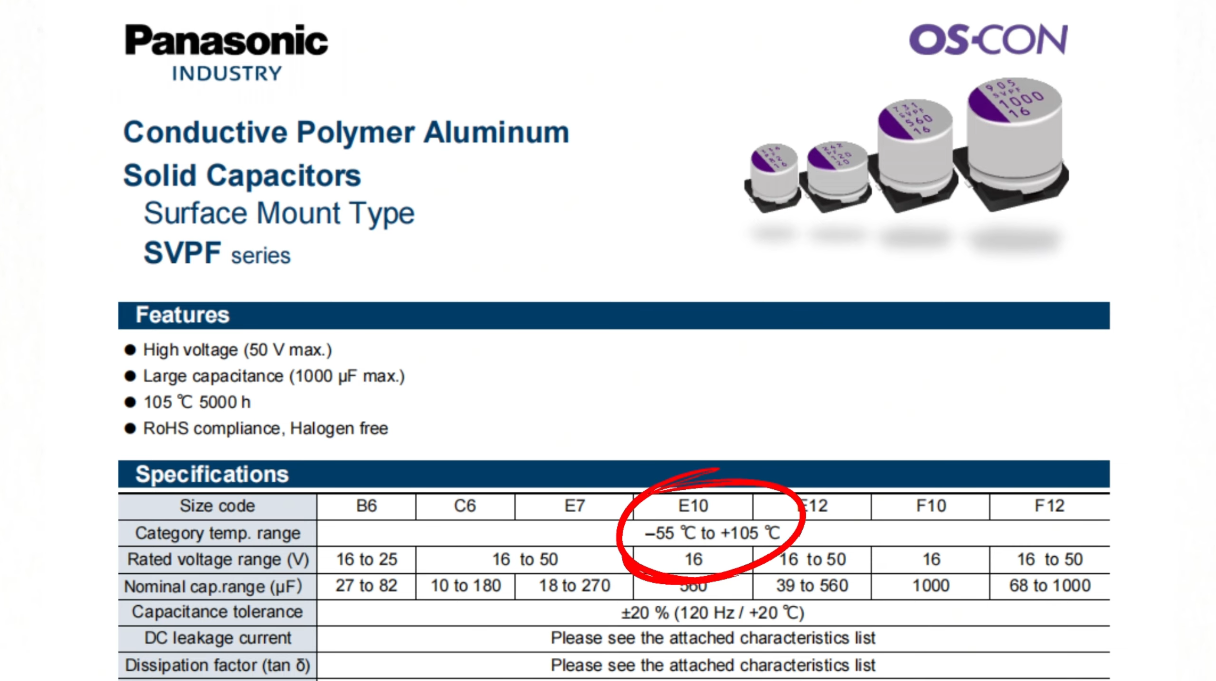
- Marca: Nichicon, Rubycon, Panasonic, Fujitsu. Quieres marcas japonesas o taiwanesas reputadas.
- Parámetros: Mira el costado: voltaje, capacitancia y esa temperatura tan importante. 105℃ es el estándar de oro para mineros solitarios porque por dentro se pone MUY caliente. Si ves 85℃, da media vuelta.
- Tamaño y Consistencia: Buenos capacitores bajo la misma especificación deben verse idénticos. ¿Soldaduras desordenadas, alturas distintas? Bandera roja.
En TinyChipHub, especificamos capacitores sólidos japoneses de 105℃, sobredimensionados donde importa, y cada uno está soldado por máquina bajo inspección AOI. Sin error humano, sin lotes mezclados.
4、Así se Ve la Ingeniería Real por Dentro
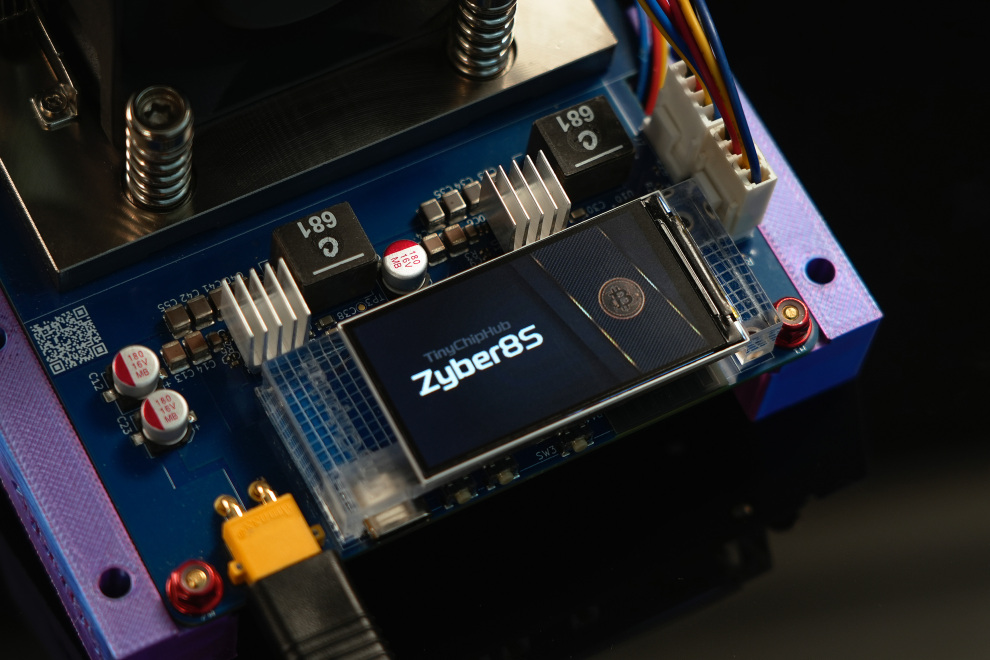
Mira dentro de un minero real — el nuestro. ¿Ves la placa hash de TinyChipHub? Filas de sólidos planos de marca japonesa top. Cada grupo de ASICs tiene su propio banco de filtrado dedicado, así que si un chip pide un pico de corriente repentino, el cap justo al lado le da el jugo al instante.
💡Nota: no hay pads vacíos. Algunas placas tienen capacitores "faltantes" porque el fabricante ahorró 3 centavos por unidad. Nosotros no. Cada capacitor diseñado está soldado.
¿Y la PSU? Por dentro, ese gran cap de entrada de 400V también es japonés, clasificado a 105℃ y alta corriente de rizado. Porque en un minero, la sección de potencia trabaja más duro que los chips mismos.
El equipo barato puede funcionar un mes. Pero con capacitores así, hablamos de años de hashing 24/7 sin reinicios aleatorios. No es un pitch de ventas — es solo buena ingeniería.
5、El Código Secreto del Minero para Capacitores
Vale, cerremos con el código secreto del minero para capacitores:
- Parte plana es sólido, el surco profundo es líquido.
- Marca y temperatura, no te engañes por la etiqueta.
- El color es caramelo — la especificación y consistencia son el tesoro real.
La próxima vez que compres un minero doméstico, espía por las rejillas. Si ves tops inflados o latas sin marca, guarda tus sats.
Soy Aaron de TinyChipHub. Somos los ingenieros que construyen, prueban y a veces rompen cosas — para que tú no tengas que hacerlo.
6. Preguntas Frecuentes (FAQs)